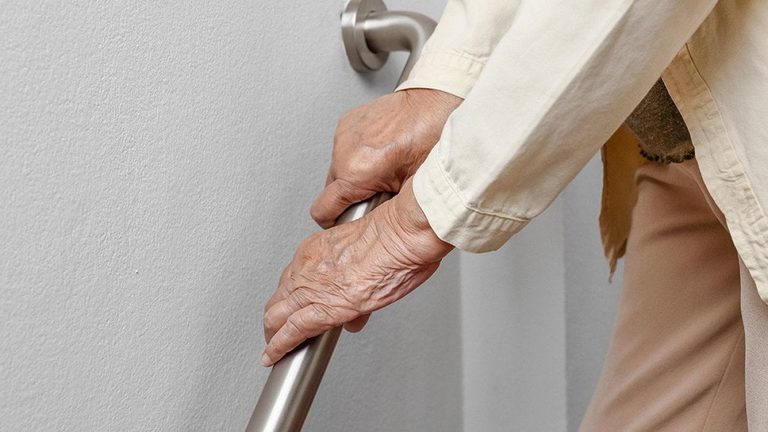
As the Americans with Disabilities Act (ADA) approaches its 36th anniversary, accessibility advocates are shifting their focus to the home. A survey by AARP found that three-quarters of adults aged 50 and older want to remain in their current home for as long as possible. However, rising housing costs and limited options create barriers to this goal.
Accessibility Needs
The survey also found that nearly two-thirds of respondents aged 50 and older expect to need a medical alert system to support independent living as they age. Additionally, 44% anticipate needing smart home security features, 72% expect bathroom modifications such as grab bars, and 71% expect entryway changes such as ramps or wider doorways.
Falls remain a significant concern for older adults, with the Centers for Disease Control and Prevention (CDC) reporting that falls are the leading cause of both fatal and nonfatal injury among adults 65 and older. The National Council on Aging estimates that the annual healthcare cost of nonfatal falls is roughly $80 billion, with costs projected to top $101 billion by 2030.
Medical alert devices have evolved to address these concerns, with current products combining automatic fall detection, GPS tracking, two-way communication, and caregiver notifications into a single device or app. QMedic, a national medical alert and remote monitoring provider, notes that families are looking for ways to support independence, not replace it.
Original reporting: KTVZ (Central Oregon) — read the source article.