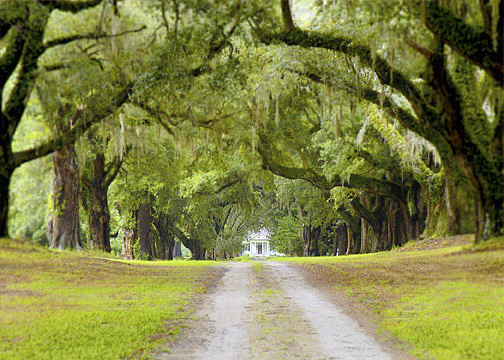
There are places you visit, and then there are places that stay with you long after you leave. Mansfield Plantation, tucked along the dark, cypress-shaded waters of the Black River just outside Georgetown, South Carolina, is firmly in that second category. From the moment you turn off the main road and follow the long canopy of live oaks draped in Spanish moss, you feel the weight of centuries settling gently around your shoulders — not oppressively, but with a quiet, profound insistence that says: pay attention.
Mansfield Plantation dates to the early 18th century and stands today as one of the most intact antebellum rice plantations remaining in the American South. Unlike so many historic properties that have been stripped of context or polished into something sterile and tourist-friendly, Mansfield wears its full, complicated history with honesty. The grounds encompass over 1,000 acres of rice fields, tidal floodgates, a church, slave quarters, and the main Federal-style plantation house — all of which speak to the layered human stories that unfolded here across generations.
The preserved slave street at Mansfield is particularly moving. Eight original cabins line a shaded lane, and they are among the most significant surviving examples of Gullah-Geechee architectural heritage in the entire Southeast. Walking that lane, you’re not just sightseeing — you’re standing in the middle of a living, breathing piece of American cultural history. The Gullah-Geechee people who lived and worked here maintained their West African language, foodways, and spiritual traditions, and those threads still run through the cultural fabric of the Georgetown region today.
Bird watchers, take note: Mansfield’s vast rice fields have been actively managed to attract migratory and resident waterfowl, making this one of the premier birding destinations on the entire East Coast. In the cooler months especially, you can spot bald eagles, wood storks, painted buntings, and countless species of duck in numbers that will have you reaching for your binoculars and not putting them down for hours.
Mansfield is also available as a bed and breakfast inn, which means you can do something truly special — you can spend the night. Waking up here, with fog rising off the rice fields and the sound of nothing but birdsong and moving water, is the kind of travel experience that quietly reorders your priorities. The accommodations are comfortable and characterful, housed in historic outbuildings that have been thoughtfully updated without losing their original soul.
Georgetown itself is about eight miles away, close enough that you can easily drive into town for dinner along the Harborwalk, pick up locally made goods, or explore the broader landscape of the Waccamaw Neck. But Mansfield is the kind of place where you may find yourself happily lingering longer than planned, walking the grounds one more time at dusk just to watch the light change over the water.
Whether you come for a day visit, a birding expedition, or a full overnight stay, Mansfield Plantation offers something increasingly rare in American travel: a place where the land itself tells the truth. It is beautiful, sobering, inspiring, and deeply worth your time.