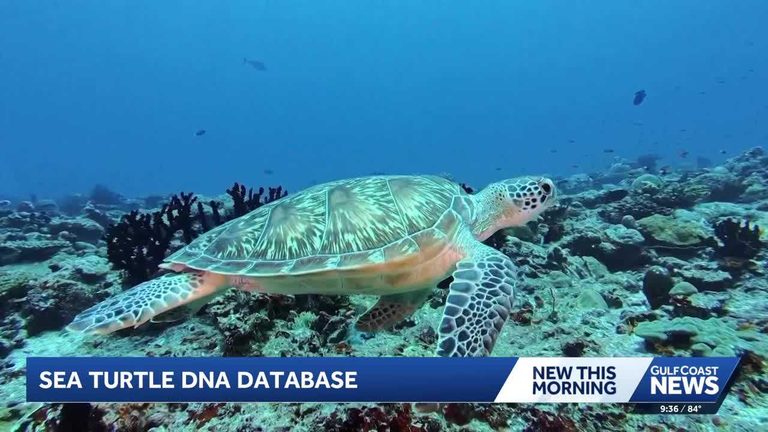
Researchers with the World Wildlife Fund have developed ShellBank, the world’s first global marine turtle DNA database, to help combat illegal wildlife trade and protect sea turtles. The database enables scientists to extract DNA from turtle shells, eggs, meat and other products, helping identify where trafficked turtles originated and which populations are most at risk.
Global Cooperation
Thirty-eight countries are participating in the initiative, with their governments tracking the data to crack down on illegal trade. This global cooperation highlights the need for countries to work together to protect sea turtles and combat wildlife trafficking.
According to Greta Frankham, a wildlife forensic scientist and conservation geneticist, “It just really exemplifies or highlights how connected our oceans are and how, you know, countries are connected without really even realizing it. We do really need to work across boundaries and cross borders with other countries to get really useful and powerful outcomes for these turtles.”
Five of the seven sea turtle species are officially classified as threatened or endangered, making this global effort crucial for their survival.
Original reporting: WPBF (Treasure Coast / Hearst) — read the source article.