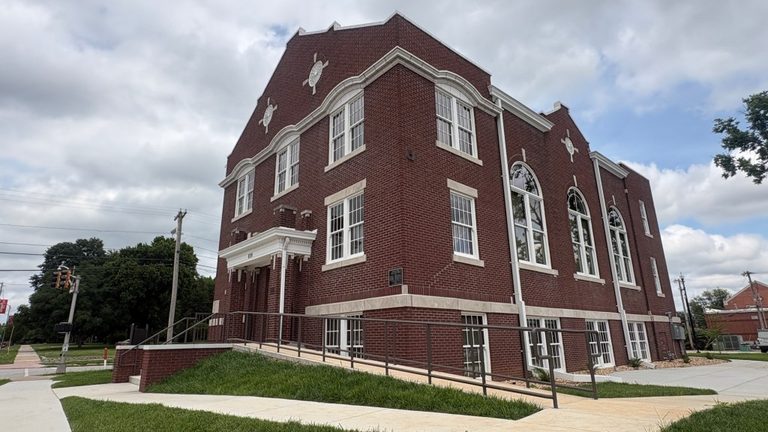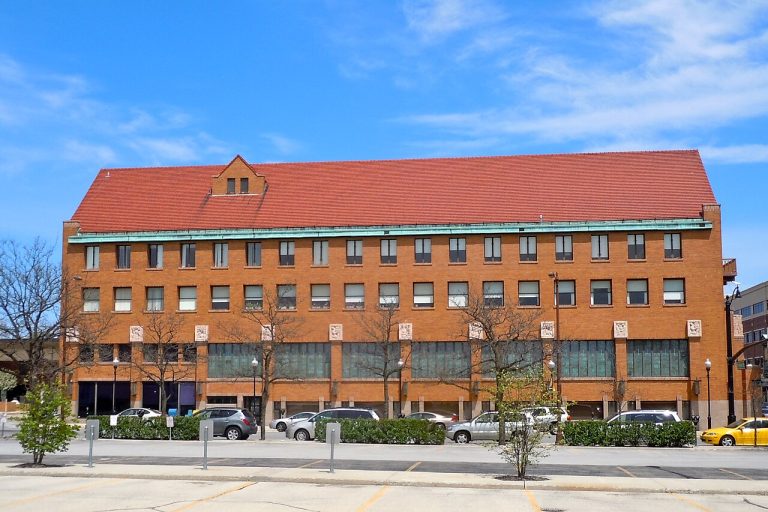
There are history museums, and then there are places that make you feel like you have genuinely stepped through a crack in time. Ybor City Museum State Park, tucked into the heart of one of Tampa Bay’s most spirited neighborhoods, is firmly in the second category. The moment you walk through the doors of the old Ferlita Bakery building on Ninth Avenue, you sense that something genuinely extraordinary happened here — and the museum does a remarkable job of helping you understand exactly what that was.
The story of Ybor City is, at its core, a story of ambition and immigration. In 1886, a Cuban cigar manufacturer named Vicente Martinez-Ybor moved his operations from Key West to a scrubby patch of palmetto scrub northeast of Tampa. He wasn’t alone for long. Within a decade, thousands of Cuban, Spanish, and Italian immigrants had flooded into the neighborhood, building a community so vibrant and self-sufficient that it rivaled Tampa itself in population and cultural energy. At its peak, Ybor City was producing more hand-rolled cigars than anywhere else on the planet. That’s not hyperbole — that’s just what happened here.
The museum unpacks all of this with real care. Exhibits walk you through the mechanics of the cigar industry, the social clubs that gave immigrants a sense of belonging, the labor movements that roiled the city in the early twentieth century, and the slow decline that followed the rise of mechanized cigarette production. The artifacts are tactile and human — old cigar molds, personal photographs, letters from workers describing their daily lives. None of it feels dusty or roped-off. It feels like someone’s actual history.
One of the highlights you absolutely should not skip is the collection of restored casitas — small worker cottages that have been preserved on the museum grounds. These modest shotgun-style homes give you a visceral sense of how cigar workers actually lived. The rooms are small, the furniture is sparse, and somehow that simplicity makes the whole story land more powerfully than any exhibit panel could.
The museum sits right in the middle of the Ybor City State Historic District, so you can easily combine your visit with a stroll down Seventh Avenue, the neighborhood’s main thoroughfare. Grab a Cuban sandwich at one of the nearby lunch spots, admire the brick streets and the ornate facades of the old social clubs, and let yourself absorb the layered atmosphere of a place that has been many different things to many different people.
Admission is genuinely affordable — just a few dollars per person — and the park is open most days of the week. It is well worth an hour or two of your time, whether you are a first-time visitor to Tampa Bay or a longtime local who has somehow never made it through those doors. Come for the history, stay for the stories, and leave with a deeper appreciation for the city you thought you already knew.