There is a moment, standing just inside the entrance of the University of Oregon Museum of Natural and Cultural History, when time does something strange. The hum of College Hill fades, the everyday world steps back, and you find yourself face to face with a Columbian mammoth that once roamed the Willamette Valley. This is not a replica. This is the real thing — and it is only the beginning of what this quietly extraordinary museum has waiting for you.
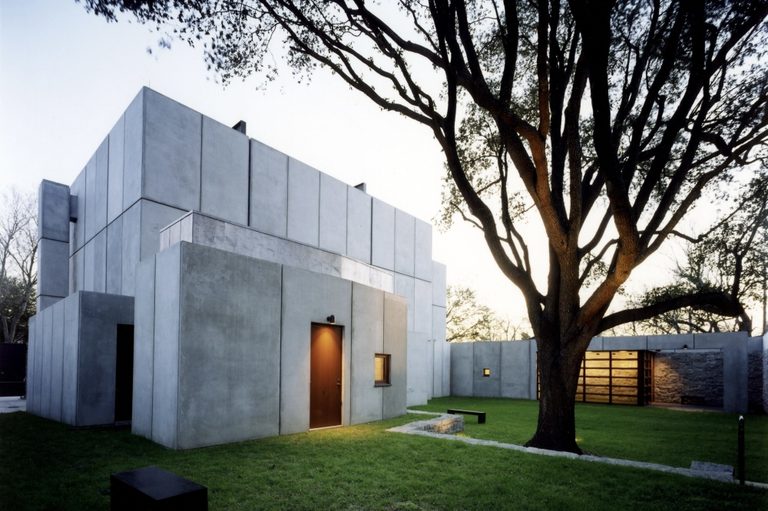
Tucked along the eastern edge of the University of Oregon campus in Eugene, the Museum of Natural and Cultural History is one of those places that locals tend to take for granted and visitors almost always overlook. That is a genuine shame, because what lives inside these walls represents some of the most significant scientific and cultural collections in the Pacific Northwest. The museum holds more than three million artifacts and specimens, and the permanent galleries do a masterful job of weaving together the deep natural history of Oregon with the rich Indigenous cultures that have called this region home for thousands of years.
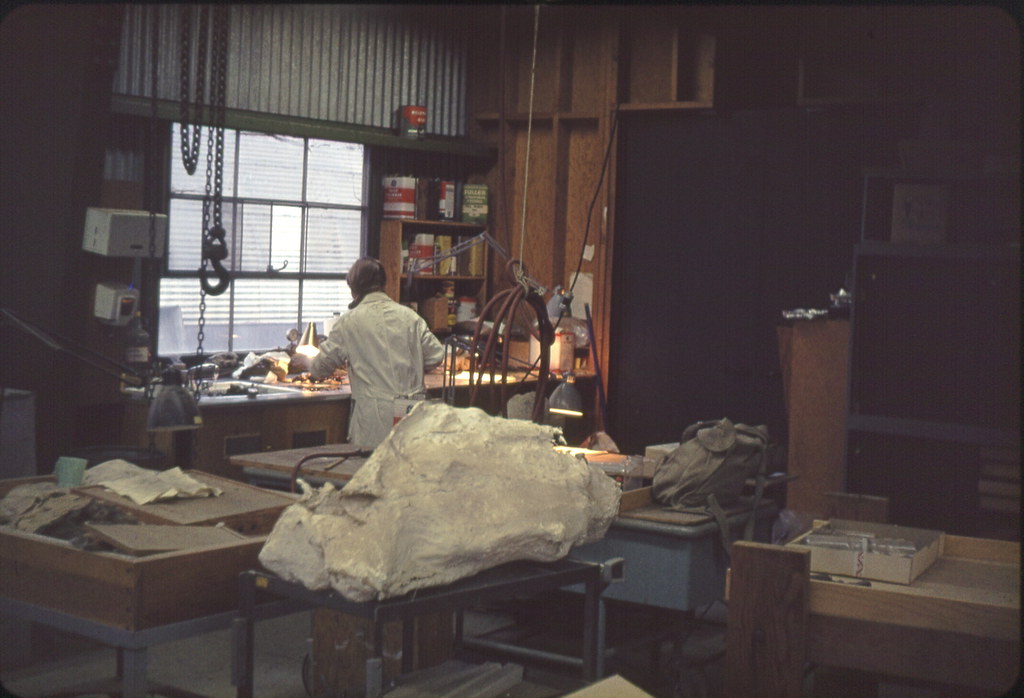
The Oregon story told here spans roughly 15,000 years, beginning with the dramatic Ice Age landscapes that shaped the land beneath Eugene’s streets. You will see the famous fossil collection that includes prehistoric horses, giant ground sloths, and saber-toothed cats — creatures that feel almost mythological until their bones are right in front of you. The exhibits are thoughtfully designed, with excellent interpretive text that never talks down to you, making the science feel accessible and genuinely exciting whether you are eight years old or eighty.
What sets this museum apart from many natural history institutions is the depth and sensitivity of its cultural galleries. The Cultures of the Oregon Coast and the Ancient Oregon exhibits present the lifeways, art, and traditions of Oregon’s Indigenous peoples with care, nuance, and real respect for the communities whose heritage is being shared. The beadwork, basketry, and ceremonial objects on display are breathtaking in their craftsmanship and meaning.
Admission is remarkably affordable — just a few dollars for adults, free for children under five — and the museum runs a rotating schedule of special exhibitions and family programs throughout the year that give you a reason to return every season. The location on the UO campus means you can easily pair your visit with a stroll through the beautiful grounds or grab a coffee nearby before you head in.
Plan to spend at least two hours here, though many visitors find themselves lingering longer than expected. The Museum of Natural and Cultural History is the kind of place that reminds you why curiosity about the world is worth nurturing. Eugene has no shortage of outdoor adventures and culinary discoveries, but this museum offers something rarer: a chance to stand inside deep time and feel genuinely small in the best possible way.