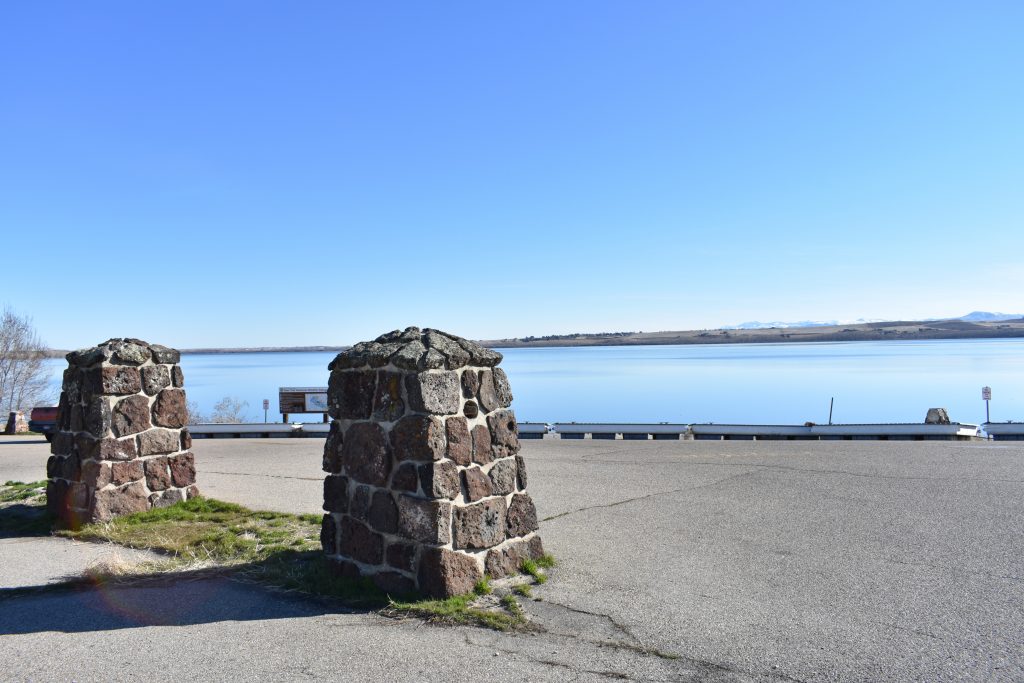
There is a moment, usually about ten minutes after you pull off Highway 84 and wind your way down to the southern shore of Lake Lowell, when the noise of everyday life simply stops. Not metaphorically — I mean the actual, physical noise. The traffic, the notifications, the low hum of obligation. It all falls away, replaced by the cry of a red-tailed hawk and the soft slap of water against a weathered wooden dock. That is the moment you understand why locals guard this place like a secret worth keeping.
Lake Lowell sits at the heart of Deer Flat National Wildlife Refuge, just a short drive southwest of downtown Nampa off Lake Shore Drive. Established in 1909 — making it one of the oldest national wildlife refuges in the country — the reservoir stretches across nearly 10,000 surface acres and serves as a critical stopover point on the Pacific Flyway, the great migratory highway that stretches from Alaska all the way down to South America. In peak migration seasons, the numbers are staggering. Over 200 bird species have been documented here, and on a crisp October morning you can watch thousands of ducks and geese arrive in rolling waves, darkening the sky before settling onto the water in a spectacle that feels almost prehistoric.
Bring your binoculars. Seriously — borrow a pair if you have to. Great blue herons wade the shallows with aristocratic patience, bald eagles perch in the cottonwoods along the northern shore, and white pelicans drift in formation across the open water like slow, elegant sailboats. The refuge visitor center, located at the north end of the lake near the dam, has knowledgeable staff who can point you toward the best viewing spots for whatever season you happen to visit.
But Lake Lowell is far more than a birdwatcher’s paradise. Anglers have been casting lines here for generations, pulling out largemouth bass, channel catfish, and crappie. The boat launch on the south side makes it easy to get on the water early, and the fishing is at its best from spring through early summer. Non-motorized watercraft — kayaks, canoes, paddleboards — are welcome too, and gliding across the mirror-flat surface on a calm summer morning is about as close to meditation as most of us will ever get.
The refuge also has several miles of walking trails and unpaved roads that are open to hikers and cyclists during daylight hours. The terrain is gentle and wide open, with the Owyhee Mountains rising dramatically to the south, painting the horizon in shades of sage and rust. Sunsets here are genuinely world-class. Pack a blanket, pour something cold, and face west around 7 p.m. in July. You will not regret it.
There is no admission fee to visit Deer Flat National Wildlife Refuge, which somehow makes it feel even more generous. The parking areas are well-maintained, restrooms are available near the visitor center, and the whole place carries the kind of quiet dignity that comes from being cared for thoughtfully over a very long time. Families, photographers, solo wanderers, retired couples with folding chairs and thermos coffee — everyone finds their place here.
If you are visiting Nampa and wondering where to spend a slow, restorative afternoon, Lake Lowell is the answer. It is not flashy, it does not advertise itself loudly, and it will not try to sell you anything. It will simply show you something real — sky, water, wildlife, and the particular kind of stillness that reminds you why wild places matter. Go once, and you will already be planning your return before you reach your car.