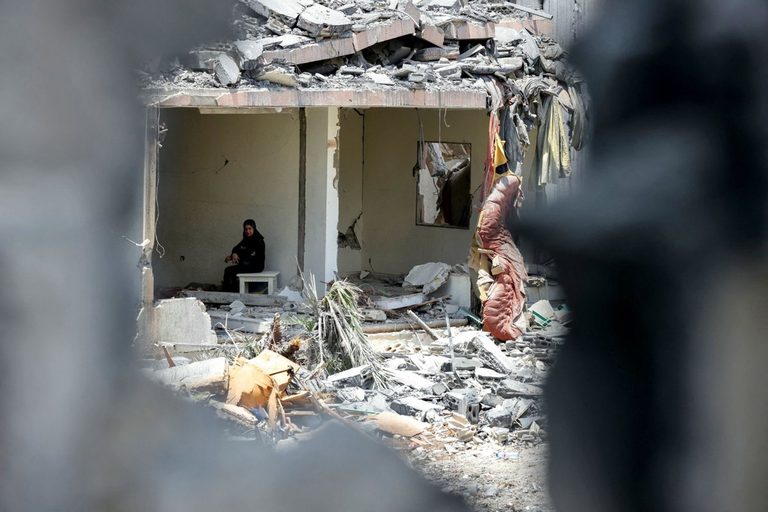
Persistent fighting between Israeli forces and Hezbollah in southern Lebanon is threatening a tentative deal reached between the United States and Iran to end their war. The agreement includes a ceasefire in Lebanon that would protect Iran’s long-time ally Hezbollah from Israeli strikes, so long as it doesn’t fire at Israel.
Background of the Conflict
Hezbollah, an Iranian-backed Shiite Islamist movement with one of the most powerful paramilitary forces in the Middle East, has engaged in conflict with Israel for decades. It has long been committed to Israel’s destruction and has built up a powerful arsenal of rockets, missiles, and drones with Iranian help.
Israel has launched frequent campaigns against Hezbollah, most notably in 2006, when a Hezbollah cross-border raid and the capture of two Israeli soldiers provoked an extensive Israeli air and ground operation that lasted more than a month.
Recent Developments
A new cycle of violence began after Israel and the US killed Iran’s supreme leader, Ayatollah Ali Khamenei, in an airstrike in late February. In early March, Hezbollah began firing at northern Israel in response to its strikes on Iran.
The Israeli military retaliated by launching an intense wave of airstrikes on what it said were Hezbollah positions – and sent troops deeper into Lebanese territory, seeking to establish a buffer zone. It has since emptied most of the south of the country of its residents and demolished thousands of homes in southern Lebanese villages.
The Israeli campaign in Lebanon has killed 4,057 people since March 2, according to the latest figures from Lebanon’s health ministry.
US-Iran Agreement
The first paragraph of the 14-point memorandum of understanding shows the end of hostilities in Lebanon as paramount to the agreement. The agreement stipulates that the US, Iran, and their allies “declare the immediate and permanent termination of military operations on all fronts, including in Lebanon, and undertake from now on not to initiate any war or any military operation against each other, and to refrain from the threat or use of force against each other, and ensuring the territorial integrity and sovereignty of Lebanon.”
Original reporting: KTVZ (Central Oregon) — read the source article.