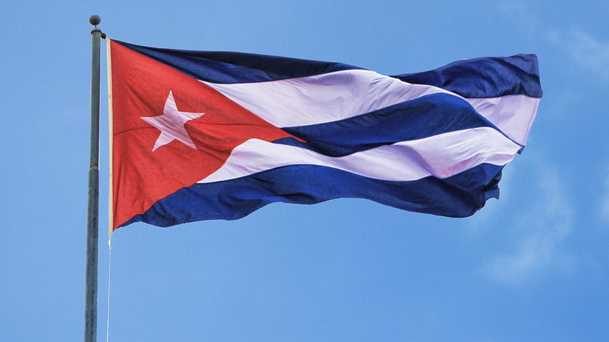
Cuba has introduced 176 measures to further decentralize its state-run economy, allowing for more private businesses, imports, and exports without state intermediation. The reforms also permit the free hiring of personnel, authorization for private banks, and investment by Cubans abroad.
Background
The Cuban government has been seeking to push forward more limited reforms of the economy in the past, but efforts have run into bureaucratic hurdles. The new measures aim to create a more market-oriented economy, while still maintaining the country’s socialist principles.
The reforms have been welcomed by some as a necessary step towards modernizing the Cuban economy, while others have expressed concerns about the potential impact on the country’s socialist system. The US has imposed a harsh energy and financial embargo on Cuba, which has restricted access to fuel and deepened the country’s economic crisis.
US Sanctions
The US sanctions on Cuba are likely to pose a significant barrier to the implementation of the reforms. Analysts have said that the measures will only have a true effect if complemented with the gradual lifting of US prohibitions and sanctions.
Cuban leaders have sought to push forward more limited reforms of the economy in the past, but efforts have run into bureaucratic hurdles. The new measures aim to create a more market-oriented economy, while still maintaining the country’s socialist principles.
Original reporting: 40/29 / KHBS (NW Arkansas) — read the source article.