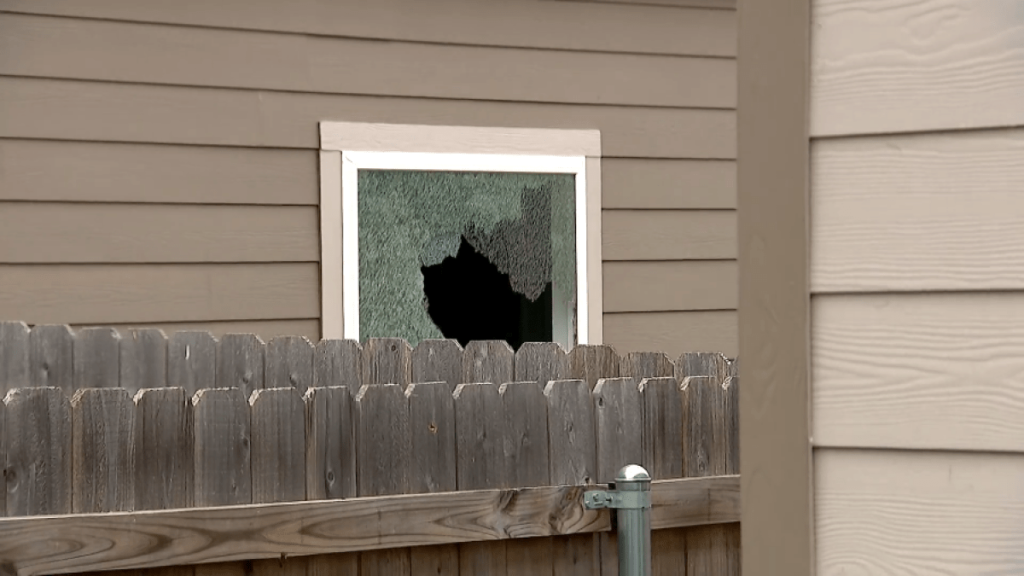
A family woke to the sound of gunfire when four bullets struck their house while they slept, and neighbors now say the shootings are not an isolated incident. Residents are calling for more police patrols and a clear, coordinated plan to stop the violence and protect families. This piece looks at the immediate impact on that household, how neighbors are responding, and what community and law enforcement leaders are being asked to do.
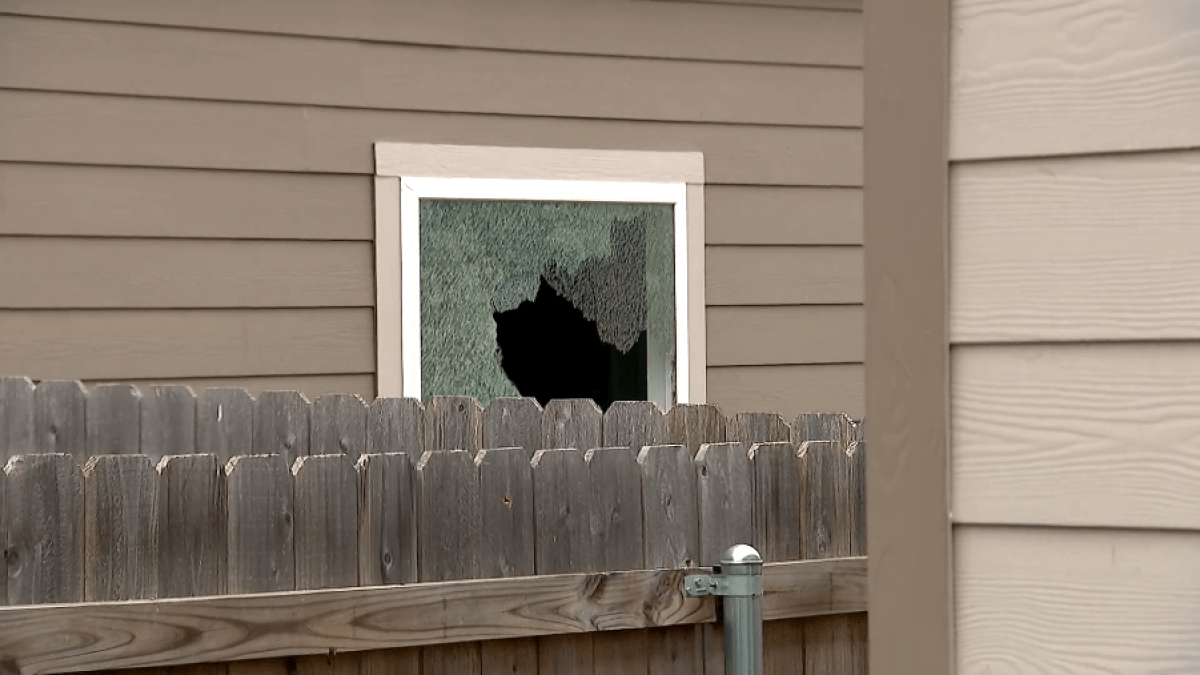
The household at the center of this scare described waking up to explosions against drywall and the awful realization that rounds had come through their walls. Shock and anger spread quickly through the neighborhood, where people said this kind of shooting has been a recurring worry rather than a one-off tragedy. Instead of feeling safe in their own living room, neighbors now lock doors earlier and keep kids inside after dark.
People who live nearby say there has been a pattern: sporadic gunfire late at night, a few unexplained bullet holes, and a steady erosion of calm. Those details are painful to list because they represent ordinary families forced into heightened fear and constant vigilance. What neighbors keep asking for is simple and concrete: more visible patrols and a definitive plan from local officials so this stops happening again.
Law enforcement spokespeople often point to limited resources and shifting priorities, but residents counter that a targeted patrol plan could be put in place quickly and cheaply. Temporary increases in foot or car patrols, focused on the hours when shots are most likely, would be a logical first step. Neighbors also suggested traffic calming, improved street lighting, and coordination with community groups as practical tactics that don’t require sweeping new budgets.
Beyond patrols, the conversation has turned to prevention and accountability: who is shooting, why they feel free to do it, and how to curb the behavior before someone is killed. Families in the area want problem-solving that combines policing with community outreach, not just a cycle of sirens and statements. Ideas on the table include neighborhood-watch programs, anonymous tip lines, and better communication between schools, social services, and police to spot and defuse tensions early.
At the same time, some neighbors are worried that heavier policing alone could strain community trust if it isn’t handled transparently and with clear goals. They want patrols paired with public meetings, regular updates, and evidence those efforts are reducing incidents rather than just moving them around. Mutual accountability — residents holding leaders to commitments and leaders reporting results — is what many say will restore both safety and faith in local institutions.
There’s also an emotional toll that statistics don’t capture: the panic of parents, the sleeplessness, the sense that your home is no longer the sanctuary it once was. Even residents who moved to the neighborhood for its quiet streets say the unpredictability changes daily routines and chips away at quality of life. That wear and tear on a community’s spirit is why neighbors are pushing for a clear plan now, not six months down the road after more families have been unsettled.
Local leaders can act on multiple fronts: deploy visible patrols during vulnerable hours, set measurable goals for incident reduction, support community-led prevention programs, and maintain open lines of communication with residents. Doing those things would show people this isn’t being shrugged off as “one of those things” and that local officials see the problem the way neighbors do. For the family whose house was hit, and for everyone living nearby, the demand is straightforward — keep us safe and show a plan that proves it.