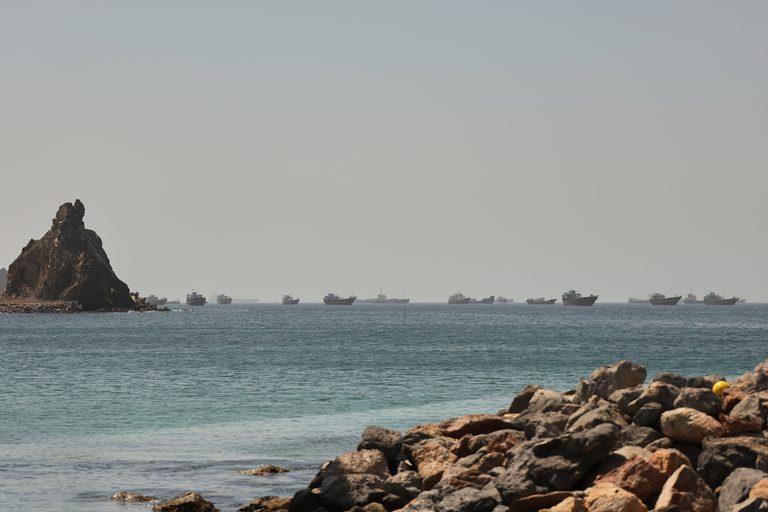
The United States and Iran have reached an interim deal to end their war, which will reopen the Strait of Hormuz and allow Iran to sell its oil freely again. The deal, signed by President Donald Trump and Iranian President Masoud Pezeshkian, will also give Iran an immediate benefit, allowing it to sell its oil on the world market and restoring a revenue stream worth billions.
Key Terms of the Deal
Under the agreement, the US will lift its blockade of Iranian ports, which should push gas prices down. The deal also promises a $300 billion fund for reconstruction of Iran’s war damage, although it is unclear who will contribute to this fund. The US and Iran will enter a 60-day period of negotiations, and hanging over them will be the question of whether President Trump can wrest a better deal than the 2015 nuclear accord he scuttled eight years ago.
The deal includes language on Iran’s highly enriched uranium, calling for it to be ‘downblended’ to a lower purity under supervision of the International Atomic Energy Agency. However, negotiations on the particulars of Tehran’s nuclear program still lie ahead.
Implications of the Deal
The deal has significant implications for the region, particularly for Israel, which has been fighting Hezbollah in Lebanon. The deal calls for an end to the war in Lebanon, but it does not explicitly require Israel to withdraw from the large swath of southern Lebanon it has occupied since March.
The deal also has implications for the US, particularly in terms of its relationship with Israel. President Trump has grown more scathing in his displeasure with Israeli Prime Minister Benjamin Netanyahu, and the deal may require Netanyahu to downscale a military campaign in Lebanon that is widely popular in Israel.
Original reporting: NBC10 Boston — read the source article.