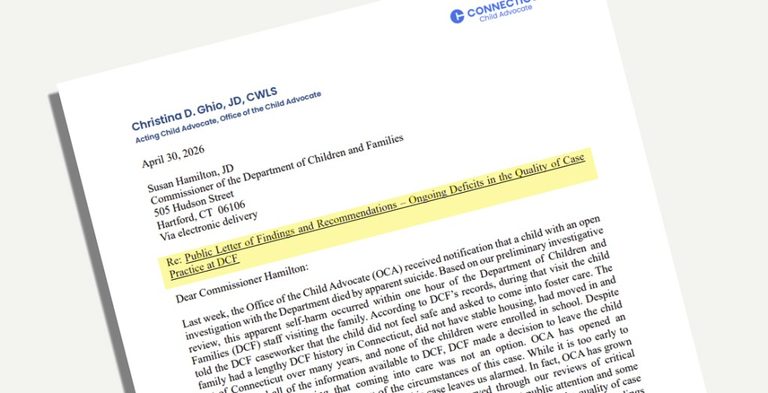
The child welfare system in the United States is in dire need of reform. Despite the best efforts of child protective services, many children are still being harmed or killed while in the system. A recent case in Connecticut highlights the failures of the current system, where a child died by suicide just an hour after a caseworker visited the home. The child had expressed feelings of unsafety and had asked to be placed in foster care, but was left in the home.
A Preventive Approach
New Jersey has implemented a preventive approach to child welfare, focusing on support for family mental health, financial aid, domestic violence, and housing stability. This approach has led to a 10% reduction in turnover, a 79% decrease in foster care placements, and an overall 68% decrease in child maltreatment. Other states should follow this model and prioritize prevention over damage control.
The current system is strained, with caseworkers responsible for up to 100-170 cases annually, far higher than the national average of 66. This leads to high staff turnover, improper staff training, and case mismanagement. The system needs more funding to support preventive measures and to reduce the workload of caseworkers.
Foster Care and Prevention
Foster care is often seen as a last resort, but it is a necessary intervention in some cases. However, the system should focus on preventing the need for foster care in the first place. By providing support to families and addressing the root causes of neglect and abuse, we can reduce the number of children who need to be removed from their homes.
The Child Abuse Prevention and Treatment Act (CAPTA) provides funding for agency training and efficiency, community resource referrals, and interagency collaborations. However, more funding is needed to support preventive measures and to reduce the workload of caseworkers.
Original reporting: The Connecticut Mirror — read the source article.