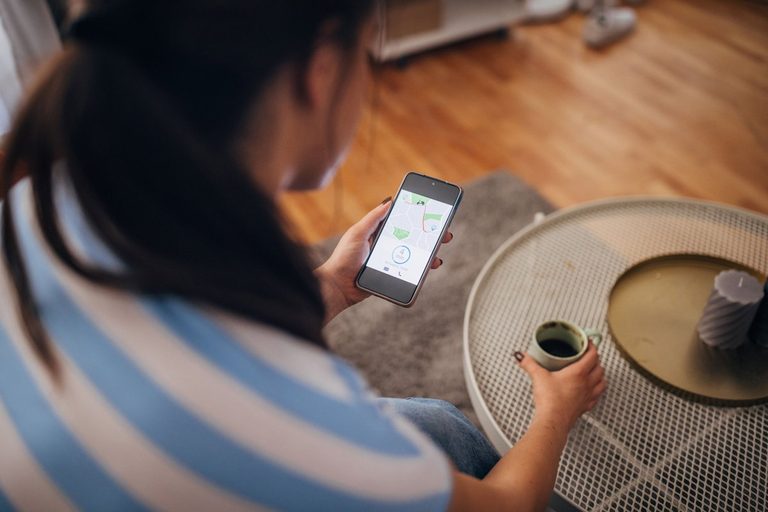
More than half of parents track their adult children using digital technology, a new poll published by the C.S. Mott Children’s Hospital at the University of Michigan found. However, experts warn that this kind of tracking can feed and cause anxiety in parents, rather than give them reassurance.
Concerns About Parental Tracking
Nearly 25% of parents who track their adult children said the monitoring could sometimes magnify their apprehensions rather than give them reassurance. According to CNN contributor Kara Alaimo, a professor of communication at Fairleigh Dickinson University, this kind of tracking can lead to assumptions and jumping to conclusions, which may or may not be accurate.
Sarah Clark, University of Michigan research scientist and co-director of the Mott poll, said that none of the reasons for tracking adult children made it necessary to do so. Without clear communication and boundaries, Clark said remote monitoring could harm parent-child relationships and prevent the development of independent, critical thinking in young adults.
Importance of Boundaries and Communication
Experts emphasize the importance of setting boundaries and having open communication with adult children. Instead of tracking, parents should focus on teaching young adults how to make responsible decisions themselves, which would make them far safer. Alaimo suggested that tracking children throughout middle and high school can provide support and ensure their safety when they are first gaining independence.
Location tracking can be beneficial, but parents should be open about their concerns and build trust with their child. Empowering children to provide their location to a trusted friend may also be a good alternative. Tracking shouldn’t be the only safety precaution taken, and parents should teach young adults to recognize when situations could become dangerous and avoid them altogether.
Original reporting: KTVZ (Central Oregon) — read the source article.