There is a moment, somewhere between the reconstructed frontier-era schoolroom and the display of weathered cattle brands hammered out by ranchers whose names now grace half the streets in town, when you realize that Nampa has a story worth sitting down with. That moment happens at the Canyon County Historical Museum, tucked inside the old Oregon Short Line Depot on Front Street — one of the most handsome brick buildings in the Treasure Valley and a landmark that has been quietly anchoring downtown Nampa since 1903.
The depot itself is worth the trip before you even step inside. The building retains its original broad roof overhangs, arched windows, and the kind of solid, no-nonsense craftsmanship that the railroad era demanded. When the trains stopped coming through in any meaningful way, the community had the good sense to preserve the structure rather than demolish it, and in 1975 the Canyon County Historical Society moved in and started filling it with the artifacts, photographs, and documents that tell the region’s layered past.
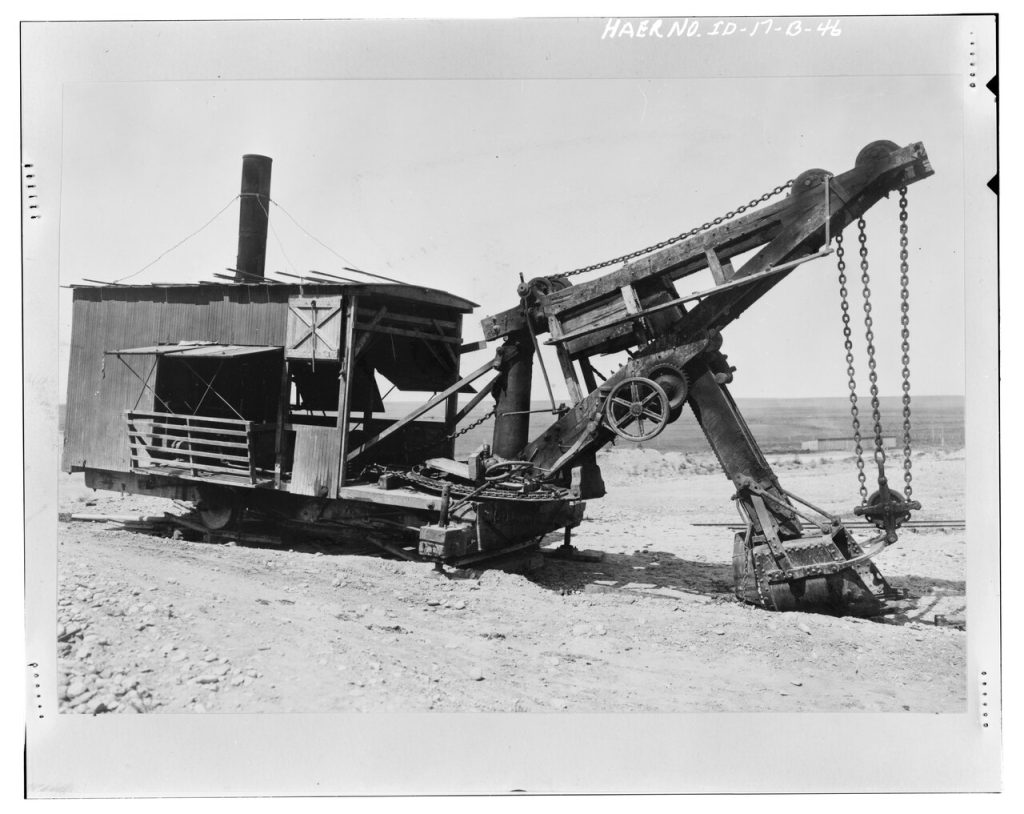
Inside, the exhibits move you from the area’s Indigenous heritage through the arrival of the Oregon Short Line Railroad in the 1880s, which quite literally put Nampa on the map. You will find farming equipment that looks simultaneously brutal and ingenious, vintage photographs of Main Street when the roads were still dirt, and personal items donated by longtime Canyon County families — a quilt here, a letter there — that give the whole experience an intimate, unhurried quality you rarely find at larger institutions.
One of the standout sections covers the sugar beet industry, which shaped the agricultural economy of the entire region for generations. It is not the flashiest subject on paper, but the museum handles it with enough context and visual storytelling that you come away genuinely appreciating how deeply that single crop shaped everything from labor migration patterns to the layout of the surrounding farmland.
The staff and volunteers are knowledgeable and genuinely enthusiastic without being overbearing. Ask them a question and you are likely to get a fifteen-minute conversation full of details you will not find on any placard. That kind of human connection is part of what makes a small regional museum so rewarding compared to a massive metropolitan institution where you can feel anonymous in the crowd.
Admission is modest — a few dollars for adults, with children often admitted free — and the museum is conveniently located right in downtown Nampa, meaning you can pair a visit with lunch at one of the nearby restaurants or a stroll through the historic commercial district just a couple of blocks away.
If you want to understand why Nampa feels the way it does — grounded, proud, quietly ambitious — spend an hour or two here. The Oregon Short Line Depot has been welcoming travelers for well over a century, and in its current form as a repository of local memory, it is doing some of its most meaningful work yet.