Alzheimer’s disease is often thought of as something that happens in old age, but many families, like mine, have learned otherwise. My mother began showing symptoms of Alzheimer’s in her late 50s, and our family entered a world of uncertainty.
A New Era in Alzheimer’s Care
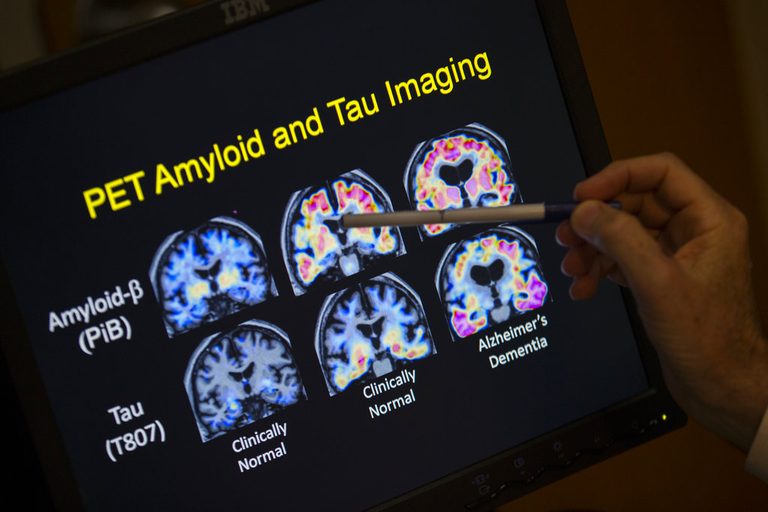
Today, the landscape of Alzheimer’s care looks dramatically different. Researchers have made historic advances in our understanding of the disease, and new treatments can slow disease progression for some individuals. Scientists are developing increasingly accurate biomarker tests that can detect the biological signs of Alzheimer’s before significant symptoms appear.
Congress is considering the Alzheimer’s Screening and Prevention Act, or ASAP Act, which would establish a Medicare pathway for coverage of biomarker tests for Alzheimer’s disease and related dementias. This legislation is crucial in ensuring that patients can access these advances.
Early diagnosis of Alzheimer’s disease can give families more time to plan, prepare, and access available resources and treatments. It provides time to plan for future care, finances, legal matters, and living arrangements. It allows patients to participate in clinical trials that may help advance future treatments.
A Call to Action
As advocates from all 50 states, including 12 from Connecticut, recently traveled to Washington to meet with members of Congress, one message was clear: progress cannot stop now. Families facing Alzheimer’s disease do not have time to wait for policy to catch up with science. Every delay means more people miss opportunities for earlier diagnosis, treatment planning, clinical trial participation, and access to emerging therapies.
Original reporting: The Connecticut Mirror — read the source article.