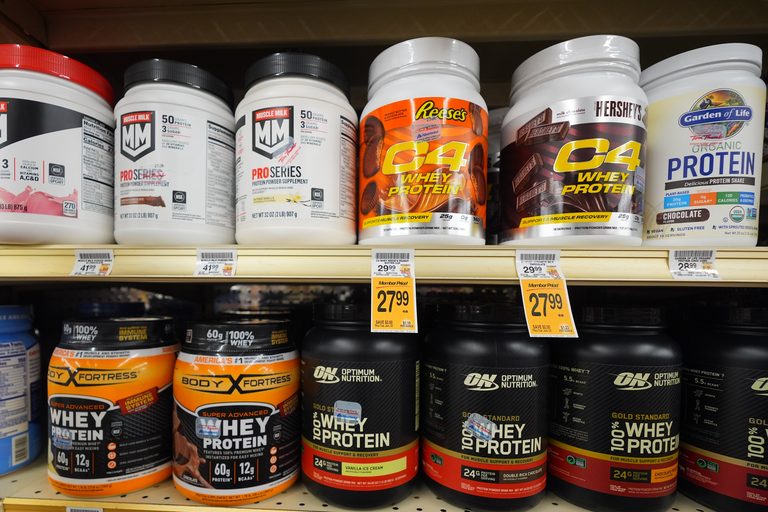
The US dairy industry is struggling to meet the growing demand for whey protein, a key ingredient in many food products. The average US supermarket now has over 38,000 products advertising their protein content, according to NielsenIQ, a market research company. However, the increased demand has led to a shortage of food-grade whey protein, causing prices to rise.
Causes of the Shortage
The main cause of the shortage is the growing demand for high-protein foods, particularly among athletes and older adults. The use of GLP-1 weight-loss drugs has also contributed to the increased demand for whey protein. Additionally, the shift in consumer preferences towards healthier and more nutritious food options has led to a surge in demand for whey protein.
Wholesale prices for whey protein have risen significantly, with whey protein concentrate with 80% protein trading at over $13 per pound in the US, up 250% from last year. This has led to higher prices for consumers, with US prices for whey protein concentrate powder increasing by around 15% over the past year.
Impact on Consumers and Manufacturers
The shortage and price increase have affected both consumers and manufacturers. Some manufacturers have increased the prices of their products, while others are considering alternative ingredients. Now Foods, an Illinois-based maker of health foods and nutritional supplements, has raised the price of its whey protein products and is considering expanding its portfolio to include products made with milk protein concentrate.
Consumers may also be affected by the price increase, particularly those who rely on whey protein as a nutritional supplement. However, some experts believe that the higher prices could lead to reduced demand, which could alleviate the shortage in the long run.
Future Outlook
Manufacturers are investing in whey protein production, which is expected to improve supplies in the future. However, the relief is not expected to be immediate, with some companies not expecting to increase production until 2027. In the meantime, consumers and manufacturers will have to adapt to the current market conditions.
Original reporting: Dallas TX News (HLL/CB) — read the source article.