There is a place on the National Mall where modern art spills outdoors, where you can wander past monumental sculptures without paying a single admission fee, and where the pace of the city seems to slow just enough to let you actually breathe. That place is the Hirshhorn Museum and Sculpture Garden, and if you haven’t made it a centerpiece of your Washington D.C. itinerary, you are genuinely missing something extraordinary.
Situated right on the Mall between the Air and Space Museum and the American Indian Museum, the Hirshhorn is impossible to miss — its cylindrical concrete form is one of the most distinctive pieces of architecture in a city filled with classical columns and granite facades. Designed by Gordon Bunshaft and opened in 1974, the building itself makes a statement before you even walk through the door. But the real magic begins the moment you step into the sunken Sculpture Garden across Jefferson Drive.
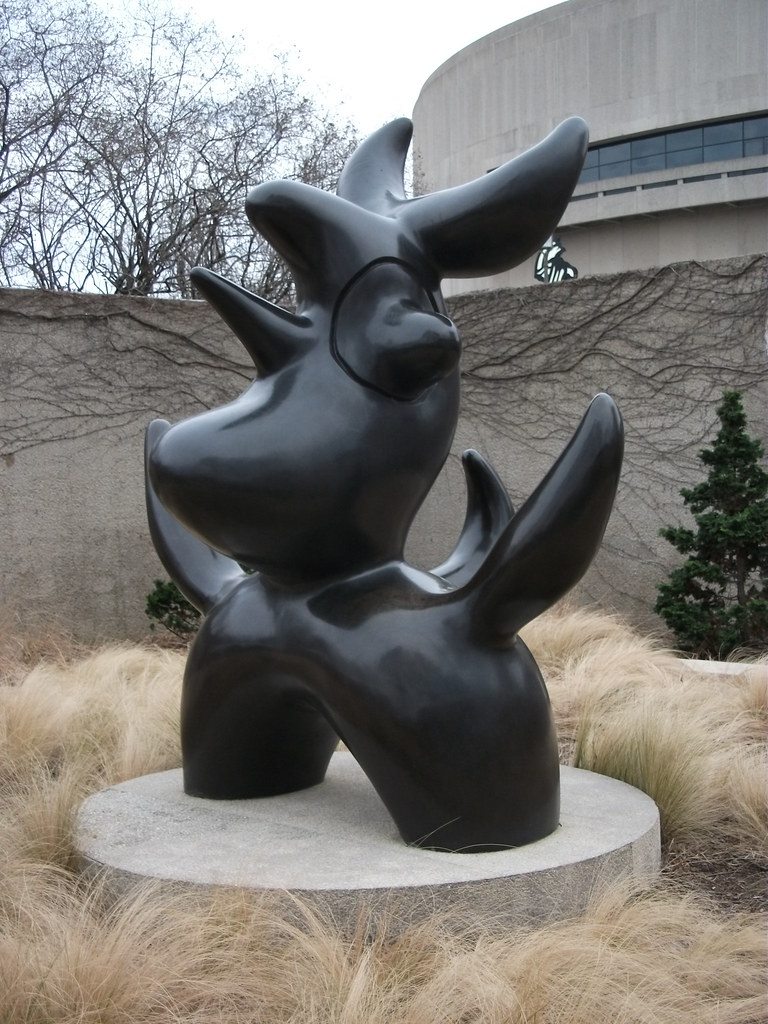
The Sculpture Garden is an open-air sanctuary that feels worlds away from the tourist foot traffic just steps away. Mature trees frame a central reflecting pool, and scattered throughout the space you’ll find works by some of the most significant artists of the twentieth and twenty-first centuries. Auguste Rodin’s monumental figures stand alongside pieces by Joan Miró and Alexander Calder. There is a wonderful democratic quality to the experience — children chase shadows around abstract bronze forms while seasoned art lovers linger with notebooks in hand. Everyone belongs here.
Inside the museum, the permanent collection spans from the 1860s to the present day, with particular strength in postwar American and European art. The circular interior galleries feel almost meditative, wrapping around a central courtyard that floods the space with natural light. You might spend an hour with the Francis Bacon paintings, then find yourself completely absorbed by a large-scale video installation you had no idea was on view. The museum rotates temporary exhibitions regularly, so there is almost always something new to discover even for repeat visitors.
One practical tip worth knowing: the Hirshhorn is free and open daily, typically from 10 a.m. to 5:30 p.m., though hours can shift seasonally so a quick check of their website before you go is always wise. The Sculpture Garden keeps its own schedule and often stays accessible even when the main building is closed. Metro access is easy — the Smithsonian station on the Orange, Blue, and Silver lines drops you practically at the door.
Washington D.C. is a city of monuments and memorials, and there is nothing wrong with that. But the Hirshhorn offers something different: a living, evolving conversation between artists and audiences that feels urgent and alive. Come with no agenda, give yourself at least two hours, and leave room for the unexpected. You won’t regret it.