There are museums that feel like obligations — the kind where you shuffle through dimly lit corridors reading plaques until your feet give out. And then there is the New Mexico Farm & Ranch Heritage Museum on Dripping Springs Road, a place that feels more like stepping into a living, breathing chapter of the American West. I walked in expecting a pleasant afternoon and walked out four hours later, a little sunburned from the outdoor exhibits and completely smitten.
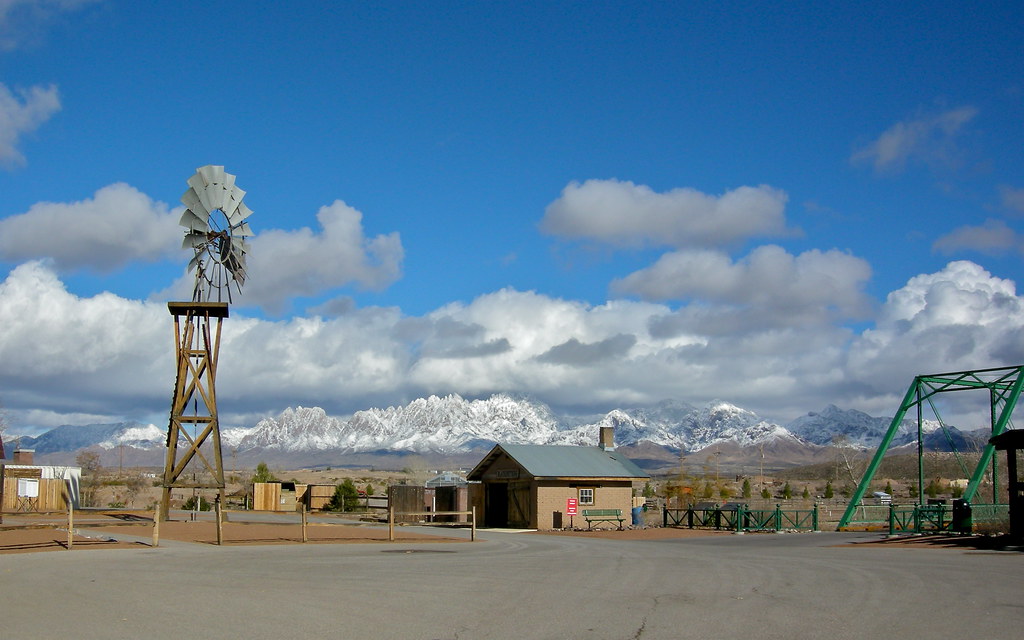
Situated on 47 acres on the eastern edge of Las Cruces, with the jagged profile of the Organ Mountains looming just behind it, the museum is as much an experience as it is an institution. The setting alone is worth the trip — that dramatic mountain backdrop has a way of making everything feel cinematic. But the real magic is what happens once you pass through the front doors.
The exhibits trace more than 3,000 years of farming, ranching, and rural life in New Mexico and the broader Southwest. You move through timelines that cover Native American agricultural traditions, Spanish colonial irrigation systems called acequias, the rise of cattle drives, and the evolution of chile farming that put this region on the culinary map. It is thoughtfully curated — not overwhelming, but genuinely substantive. Every corner rewards a slow look.
Outside, the real showstoppers await. The working farm is populated with heritage breed livestock: longhorn cattle, churro sheep, draft horses, and a barnyard of smaller animals that kids absolutely lose their minds over. On weekends and many weekdays, the museum hosts live demonstrations — blacksmithing, churning butter, milking cows — that are surprisingly compelling even for adults who thought they had no interest in dairy production whatsoever. The smithy in particular is mesmerizing. Watching a blacksmith shape hot iron with practiced ease, sparks flying in that New Mexico sunshine, is the kind of thing you did not know you needed to see.
The Hatch Valley Chile exhibit is a standout for food lovers. New Mexico’s chile culture runs deep, and this section explains the agriculture, the varieties (yes, there is a real difference between red and green beyond color), and the economic history of a crop that defines the state’s identity. You will leave wanting a green chile cheeseburger immediately, and fortunately, Las Cruces will oblige.
Admission is very reasonable — around $6 for adults, less for seniors and children — and the museum is open Tuesday through Sunday. Parking is easy and free. Plan for at least two to three hours if you want to do it justice, and wear comfortable shoes because the outdoor areas involve real walking on real terrain.
What makes the Farm & Ranch Heritage Museum special is that it respects its subject without being stuffy about it. This is a place that understands the land it sits on and the people who worked it. Whether you are a history buff, a curious traveler, a parent looking for something genuinely educational, or just someone who wants to stand in front of a longhorn steer and feel small in the best possible way — this museum delivers. It is one of the most underrated cultural institutions in the entire Southwest, and Las Cruces is all the richer for it.