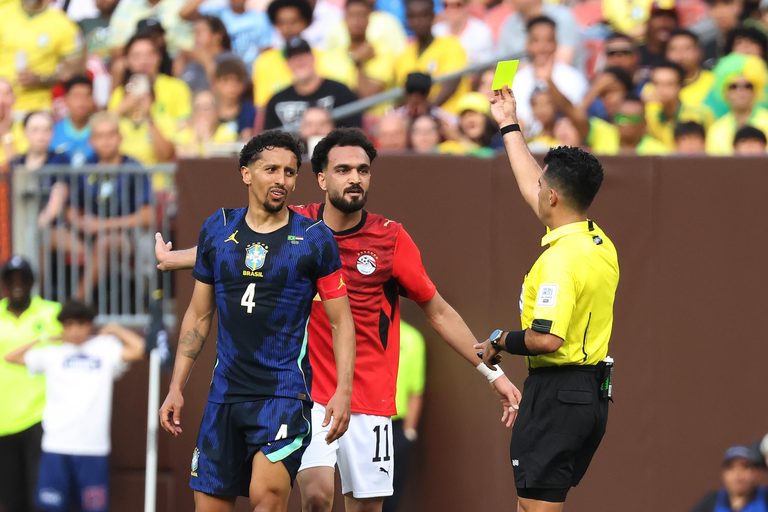
The World Cup is one of the most prestigious soccer tournaments globally, with teams competing for the top prize. One crucial aspect of the game is the discipline system, which includes red and yellow cards. These cards can significantly impact a team’s performance, especially if a key player is involved.
What are Yellow and Red Cards?
Yellow cards are cautions given to players for infractions such as reckless behavior, wasting time, embellishing a foul, or taunting an opponent. On the other hand, red cards are issued for egregious fouls, which are either intentional or so reckless that they could cause injury. A player who receives a red card is immediately ejected from the game, and their team must play with one less player.
A player who receives two yellow cards in a single game is also ejected and will be suspended for their next match. However, if a player receives two yellow cards in different games, they will be suspended for their next match as a penalty. To prevent card accumulation from affecting the tournament, there are amnesty periods where the card count is reset.
Amnesty Periods
The first card reset occurs after the group stage, and the second reset happens after the quarter-final rounds. This means that the only way a player can be suspended for a game is if they receive two yellow cards or a red card during the group stages or the games between the round of 32 and the quarter-finals.
Original reporting: All Sports Feed (HLL/CB) — read the source article.