The United States launched a second round of airstrikes on Iran into Thursday morning, following President Donald Trump’s warning that Tehran would ‘pay the price’ for stalled negotiations. Iran responded with strikes targeting Bahrain, Kuwait, and Jordan.
Escalating Conflict
The new U.S. assault across multiple Iranian cities came as efforts to negotiate an end to the war again appeared stuck, with Iran insisting it would maintain its chokehold on the Strait of Hormuz, which has disrupted global energy supplies and sent oil prices higher.
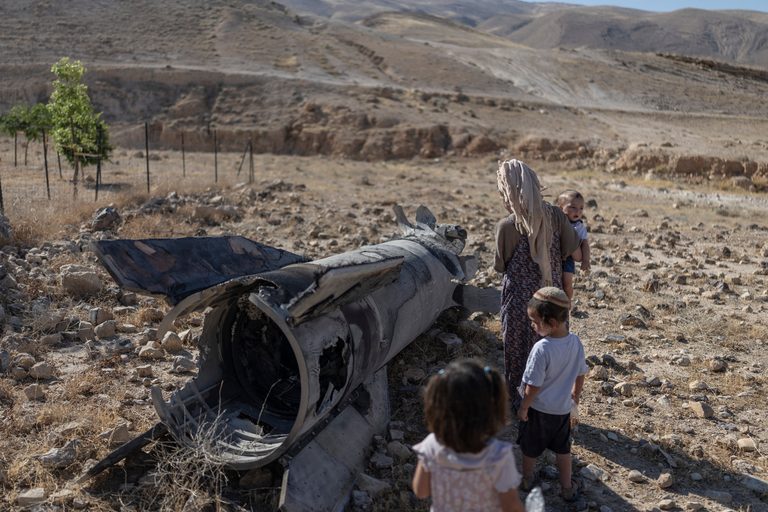
The American attack appeared more intense and wider than the day before, but Iran released no information about what was hit. Kuwait closed its airspace because of the Thursday morning attack, without elaborating on any damage. Jordan didn’t acknowledge the attack, though the U.S. Embassy in Amman warned about it.
The U.S. Central Command said its latest round of airstrikes ended just before sunrise Thursday in Iran. The military command said the strikes came ‘in response to Iran’s unwarranted and continued aggression’ and targeted ‘Iranian military surveillance capabilities, communication systems, and air defense sites.’ It did not elaborate on the damage done by the strikes, which it said were carried out by the U.S. Air Force, Marines, and Navy.
Global Impact
Since the U.S. and Israel started the war with Feb. 28 attacks on Iran, the conflict has shaken the global economy, driven up energy prices, and made food and other basics more expensive. The international benchmark for crude oil traded above $93 a barrel on Wednesday, up more than 25% since the start of the war.
Original reporting: NBC4 Los Angeles — read the source article.