Ötzi the Iceman, a well-preserved mummy found in the Ötztal Alps, continues to intrigue scientists with new findings about the microbes that have survived with him for over 5,300 years. Recent research has revealed that some of these ancient microbes remain viable, offering insights into the microbial ecosystems of the past.
Microbial Longevity and Preservation
In a comprehensive DNA analysis, researchers identified several species of fungi and bacteria on and inside Ötzi’s mummified body. These microbes, some of which are linked to the cold mountain environment where Ötzi died, have remained dormant but viable, capable of reviving after millennia. This discovery suggests that microbial longevity in ancient remains may be greater than previously thought, which has implications for the storage and handling of such remains.
Scientists found that the microbial DNA from Ötzi’s remains provides a snapshot of the human gut microbiome from the Copper Age, before industrialization altered it. Some ancient gut bacteria identified in Ötzi are rare in modern, industrialized populations but still exist in communities with traditional lifestyles.
Challenges in Preservation
While Ötzi’s microbes offer valuable scientific insights, they also pose challenges for preservation. The conditions in which the mummy is stored, similar to those of the glacier where he was found, may not fully prevent microbial activity. Some microbes, particularly cold-adapted fungi, may thrive even in these cold environments, raising concerns about the future conservation of the mummy.
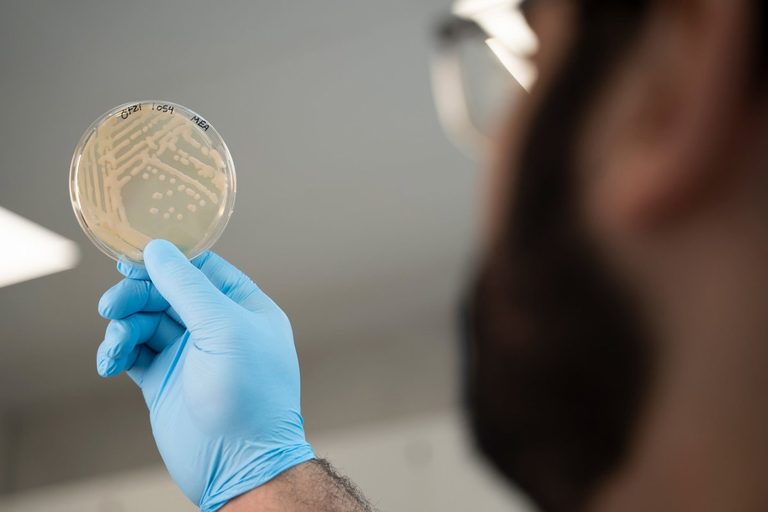
Researchers have been able to culture some of the microbes from Ötzi’s remains, distinguishing between those that are ancient and those introduced through modern handling. This careful study of Ötzi’s microbial ecosystem could pave the way for similar research on other ancient specimens, enhancing our understanding of historical microbial communities.
Ötzi’s discovery has already provided significant insights into his life and death, including his diet, health issues, and the circumstances of his demise. These new microbial findings add another layer to our understanding of ancient human life and the environments they inhabited.
Original reporting: KEYT (Ventura/Santa Barbara) — read the source article.