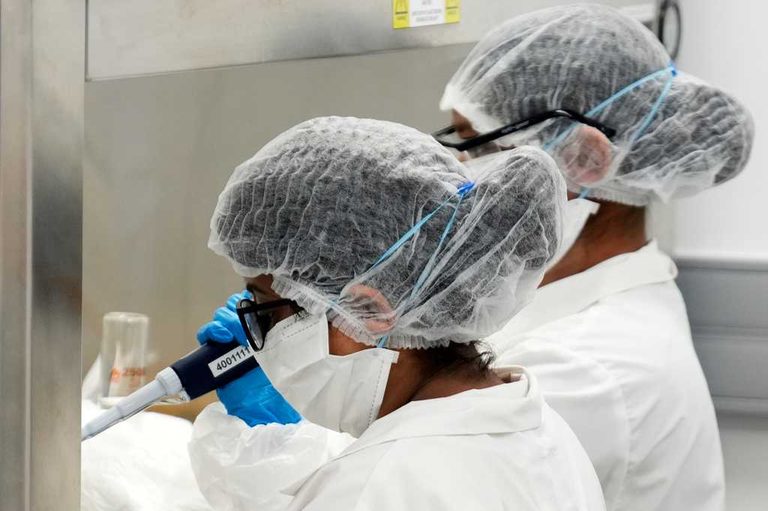
South Africa’s public‑private pharmaceutical firm Biovac disclosed plans for a major expansion of its vaccine‑manufacturing capacity. The company will build a new production facility adjacent to its existing Cape Town campus, financed by a €75 million loan from the European Investment Bank (EIB). The expansion is designed to dramatically increase the supply of vaccines made on the African continent.
Scaling up production to meet African demand
Biovac aims to produce roughly 150 million vaccine doses each year once the new plant is operational, a substantial jump from current output levels. The projected capacity includes 30‑40 million doses of an oral cholera vaccine that Biovac hopes to bring to market after securing regulatory approval by late 2028. If approved, this would be the first cholera vaccine manufactured entirely in Africa and only the second end‑to‑end vaccine produced on the continent, following Senegal’s Pasteur Institute yellow‑fever vaccine.
According to the Africa Centres for Disease Control and Prevention, the continent needs more than 1 billion vaccine doses annually, yet only about 1 % are currently produced locally. By expanding capacity, Biovac hopes to reduce Africa’s heavy reliance on imported doses, a vulnerability highlighted during the COVID‑19 pandemic when many African nations struggled to secure sufficient supplies.
EU support and scientific commitment
The European Investment Bank’s Vice President Ambroise Fayolle visited Biovac to discuss the loan and emphasized the importance of scientific collaboration. “It is important because we believe in science and we believe the benefits can reach beyond vaccine production,” Fayolle said, adding that health resilience should be a global priority.
Biovac’s chief operations officer Mark MacNaughton noted that the new facility will enable the company to respond more quickly to disease outbreaks across the continent. “Having a robust, locally‑based manufacturing base means we can protect African populations more effectively,” he explained.
Addressing cholera and other diseases
Cholera remains a serious public‑health threat in Africa, killing thousands each year. A global shortage of cholera vaccines in 2022 forced the suspension of immunisation campaigns in several countries. The World Health Organization reported over 7,000 cholera deaths in Africa last year, the highest figure in more than two decades. Biovac’s oral cholera vaccine, based on technology licensed from the International Vaccine Institute in South Korea, is currently in clinical trials, with initial safety and efficacy data expected by June.
In addition to cholera, Biovac produces end‑stage products for vaccines against polio, tuberculosis, tetanus and other diseases, supporting regional health‑security efforts.
Broader implications for African health sovereignty
The African Union has set an ambitious target for the continent to produce 60 % of its vaccine needs by 2040. While the goal is challenging, projects like Biovac’s new plant represent concrete steps toward greater health sovereignty. Increased local production can also lower costs, improve supply chain reliability, and create skilled jobs in the biotech sector.
Biovac’s expansion arrives at a time when other health crises, such as the ongoing Ebola outbreak in the Democratic Republic of Congo, underscore the urgent need for self‑sufficiency in medical supplies. By investing in domestic manufacturing, African nations can better protect their populations from both endemic diseases and emerging threats.
Original reporting: WPBF West Palm Beach — read the source article.