On Tuesday, the Jacksonville City Council gave a decisive vote to the Pathways to Urban Agriculture Ordinance, formerly known as the Free to Garden Act. The new ordinance adds community and market gardens to the city’s list of permitted uses, providing legal certainty for more than 100 existing farms and opening the door for new growers.
Local growers celebrate the win
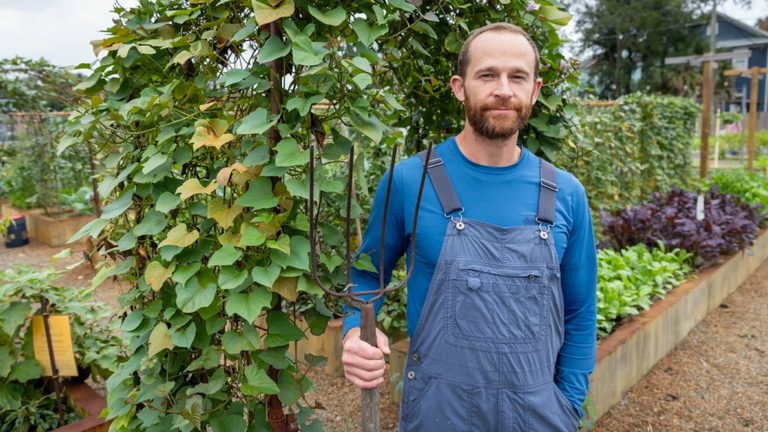
Overall Farms, a three‑plot operation in the Springfield neighborhood, has been a vocal advocate for the legislation. Owner Nathan Ballentine explained that his farm has invested “a couple hundred thousand dollars” in its third site, despite facing citations because the city lacked clear rules. “People can’t afford to invest if they are operating in legal limbo,” Ballentine said. “Now we can sleep well at night.”
Under the ordinance, farms of 2.5 acres or less may sell produce on‑site or at farmers’ markets with a streamlined certificate of use. The council also increased the allowable operating days for market gardens from 12 to 52 per year, enabling weekly sales of fruits, vegetables, plants and other agricultural products.
Council and community leaders weigh in
Mayor Donna Deegan signed the ordinance, stating, “This bill will strengthen urban farming, increase access to food, and create more opportunities for local growers to sell their products. Together, we are creating a future that is healthier, sustainable and more affordable.” Council member Raul Arias, who co‑introduced the measure with Jimmy Pelsuo, highlighted the city’s long‑standing food‑desert challenges and praised the legislation for moving the needle forward.
Laureen Husband, chair of the nonprofit Duval Food Policy Council that drafted the original bill, noted a pattern of citations against community gardens. “People were coming to our table, asking, ‘We’re getting all these code violations, how do we go around this?’” she said. Husband added that the ordinance will help residents stretch their dollars by growing and selling food from their own backyards, fostering neighborhood cooperation and potential income.
What the ordinance changes
- Urban farms may operate up to 52 days per year, up from 12.
- Farms of 2.5 acres or less can sell directly on their property or at local markets.
- Structures cannot exceed 15 feet in height or cover more than 25% of a lot.
- Heavy equipment must be parked out of street view.
The Food Policy Council also plans to connect local restaurateurs with urban growers, creating a farm‑to‑table pipeline that supports both producers and the city’s culinary scene.
Broader impact on food security
Advocates argue that legal clarity will encourage further investment in urban agriculture, expanding the city’s capacity to address food insecurity. By allowing more frequent market sales and reducing the threat of fines, the ordinance aims to make fresh, locally grown produce more accessible to Jacksonville families, especially those on limited incomes.
Overall Farms continues its “U‑Pick” program, where members can harvest ready‑to‑eat crops directly from the beds. With the new legal framework, the farm expects to see increased participation and the ability to expand its offerings.
The ordinance, identified as Ordinance 2026‑0807, was drafted by the Duval Food Policy Council, workshoped by city officials and passed with a unanimous council vote, except for absent members Ken Amaro and Rory Diamond.
Original reporting: Jacksonville Today — read the source article.