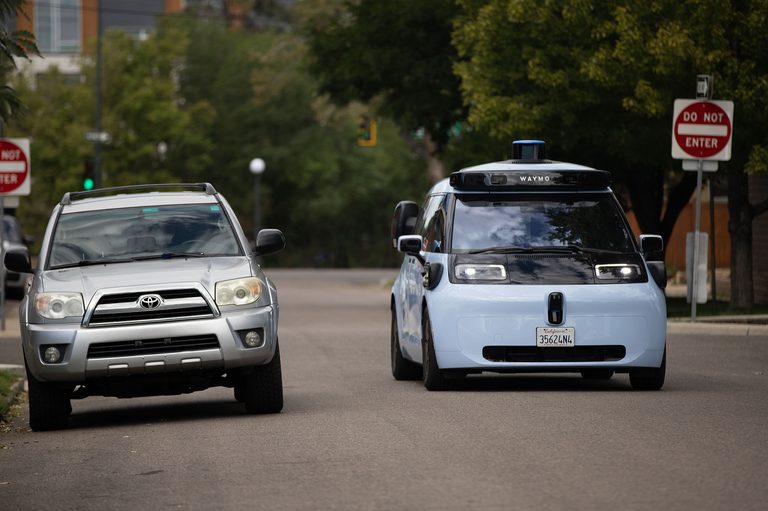
Denver police are investigating a series of incidents in which an unidentified middle‑aged man stops his Toyota Corolla in front of Waymo’s driverless vans, places orange traffic cones around the vehicle and then hurls eggs at the autonomous cars. The suspect, described as bearded and wearing a ponytail, has been linked to roughly 30 reported complaints, according to a Waymo investigator.
Law‑enforcement response
Detective Joseph Zahradnik compiled the complaints and presented them to the Denver District Attorney’s Office. Deputy District Attorney Philip Reinert concluded that the actions do not rise to the level of criminal mischief because no damage was proven, and he characterized the matter as a civil dispute. When The Denver Post broke the story, DA John Walsh’s spokesperson, Matt Jablow, said the office would continue gathering evidence about possible damage and would coordinate with the City Attorney to determine the most appropriate legal mechanism to stop the behavior.
Potential damages and legal considerations
Former U.S. Attorney for Colorado Jason Dunn noted that criminal mischief requires “knowingly causing damage to the property of another person.” Waymo told police the company spent between $800 and $2,000 to clean the vehicles after each egging, and the vans were temporarily removed from service. Dunn suggested that the cost to the company could satisfy the damage element, but he also acknowledged that prosecutors must prioritize limited resources.
Colorado statutes that could apply
Colorado law includes provisions against blocking travel lanes, tampering with property and “throwing missiles at vehicles,” which covers anyone who knowingly projects any missile at a vehicle or equipment designed for transporting persons or property. However, the DA’s office initially advised that the case be handled as a civil matter, directing Waymo’s investigator to pursue a court order against the suspect.
Broader context for autonomous vehicles
Waymo operates about 30 driverless vans in Denver as of October. The rise of robotaxi fleets has sparked concern among human drivers who fear loss of livelihood. A study from China reported an 11% drop in daily income for traditional taxi drivers after robotaxis entered the market. While the impact in Denver remains unclear, the incidents highlight tensions between emerging technology and local workers.
Community reaction
Online comments have ranged from admiration for the “pony‑tailed avenger” to criticism that the acts constitute vandalism. Some residents view the autonomous vans as symbols of a tech‑driven surveillance state that disrupts traffic and behaves unpredictably. Similar anti‑autonomous actions have occurred on the West Coast, where vandals have damaged or even set fire to Waymo vehicles.
What comes next?
The DA’s office says it is still reviewing evidence and will work with the City Attorney to decide whether civil injunctions, fines or other legal tools are appropriate. Meanwhile, Waymo continues to operate its fleet, and the city’s law‑enforcement agencies remain vigilant for further incidents.
Original reporting: Denverite — read the source article.