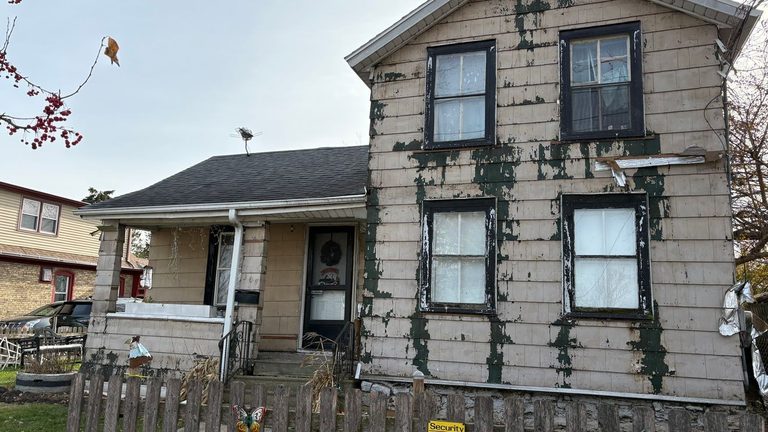
Months after the July tornado that devastated Menasha, one survivor is sounding the alarm on a growing problem among rebuilding efforts. Sarah Rivet, who owns both a primary residence and a rental property that were damaged in the storm, says a local contractor took a $9,500 deposit, removed aluminum siding from her rental home and then disappeared.
What happened
Rivet described the chaos that followed the tornado: “We have two properties, our own property and then this rental property. When the tornado happened, we were really overwhelmed, exhausted. We didn’t know what, if we were coming or going.” After the initial emergency response, she hired a contractor who quickly rebuilt her garage and installed a fence. Satisfied with that work, she signed a contract for siding and window replacement on the rental house, providing a sizable deposit.
“We asked not to tear down the aluminum siding until the new siding was ready,” Rivet said. “He came, took the siding, cashed it in for money and then has been ignoring us without a timeline since that time.” The contractor removed the siding on November 2nd and has not returned. Rivet’s attempts to contact him have been met with silence or empty promises.
Police involvement
After weeks of waiting, Rivet filed a complaint with the Menasha Police Department. Lt. Matthew Lenss confirmed the department will file a report and treat the case as theft of services. “If we find probable cause that someone intentionally committed a crime against a homeowner by not completing the work they were paid for, we will hold them accountable and refer charges,” Lenss said.
Lenss noted that the department has seen a rise in neighbor‑versus‑neighbor disputes since the tornado, including disagreements over tree removal, fence damage and contractor performance. “We are going out there mediating and both sides are happy,” he added, though he emphasized that malicious intent will be pursued aggressively.
Advice for other homeowners
Menasha police are urging residents to thoroughly research any contractor before signing a contract. They recommend checking online court records, Better Business Bureau complaints and customer reviews. If a contractor’s behavior seems suspicious, they advise reporting it to law enforcement promptly.
Rivet, though disappointed, hopes her experience will protect others. “When things like this happen, you start to really lose hope in humanity,” she said, adding that she has learned a hard lesson about vetting contractors during disaster recovery.
Community response
The warning comes at a time when many Menasha families are still rebuilding homes and businesses. Federal aid, insurance payouts and community donations have helped, but the influx of contractors has also created opportunities for unscrupulous operators. Local churches and neighborhood groups are organizing informational sessions to help residents navigate the rebuilding process safely.
As the town continues to recover, officials stress that vigilance and cooperation between homeowners, contractors and law‑enforcement are essential to ensure that rebuilding efforts restore both property and confidence.
Original reporting: FOX 11 WLUK Green Bay (local) — read the source article.