Idaho’s first‑four‑month tax collections are outpacing the state’s own projections, creating a fiscal cushion that could translate into salary increases for teachers and other state workers. The state’s revenue report shows collections are $82.5 million above the forecast for the July‑June budget year, even though October’s haul fell $7.7 million short of the monthly estimate and is slightly lower than the same month last year.
Legislators see an opportunity for pay raises
With the budget surplus in hand, lawmakers anticipate more flexibility when they convene for the 2027‑28 budgeting cycle on Jan. 11. Governor Brad Little will submit his budget recommendations at that time, and the Legislature is already flagging employee compensation as a top priority.
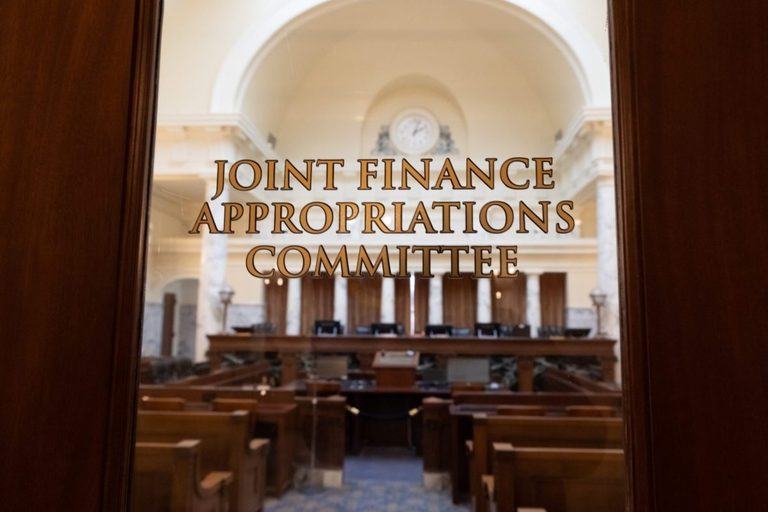
Sen. C. Scott Grow, R‑Eagle, co‑chair of the Joint Finance‑Appropriations Committee, emphasized the need to address the pay freeze that took effect in 2026. “Some of the departments have struggled with that and some agencies have lost some folks,” Grow told Clark Corbin of the Idaho Capital Sun, underscoring the real‑world impact of stagnant wages on state staffing.
House Speaker Mike Moyle, R‑Star, echoed that sentiment last week. Speaking to the Citizens Committee on Legislative Compensation, Moyle pledged that the Legislature will move to increase state employee pay in 2027. The committee, noting the existing freeze on employee salaries, also voted to keep legislative pay frozen until Dec. 2027, signaling a shared commitment to fiscal responsibility while still rewarding the broader state workforce.
What the surplus means for Idaho families
For Idaho families, higher teacher salaries can help retain qualified educators in classrooms, supporting the quality of public education that many parents rely on. A stable, well‑compensated state workforce also means more consistent delivery of essential services, from public safety to health programs, reinforcing the community’s overall well‑being.
While the surplus does not guarantee a specific raise amount, the positive revenue trend provides the Legislature with the leverage to negotiate pay adjustments without jeopardizing other budget priorities. Idaho’s fiscal health, reflected in the $82.5 million cushion, demonstrates the effectiveness of the state’s tax policy and offers a hopeful outlook for the upcoming budget cycle.
Looking ahead
As the 2026 session wraps up and the 2027‑28 budget process begins, Idaho’s leaders will balance the desire to reward employees with the need to fund infrastructure, education initiatives, and other critical programs. The current revenue surplus positions the state to make thoughtful, responsible decisions that benefit both public servants and the citizens they serve.
Stakeholders across the state will be watching closely as the Legislature debates the specifics of any pay raise package, hoping that the strong fiscal footing translates into tangible benefits for Idaho’s teachers, state workers, and ultimately, its families.
Original reporting: Idaho Education News — read the source article.