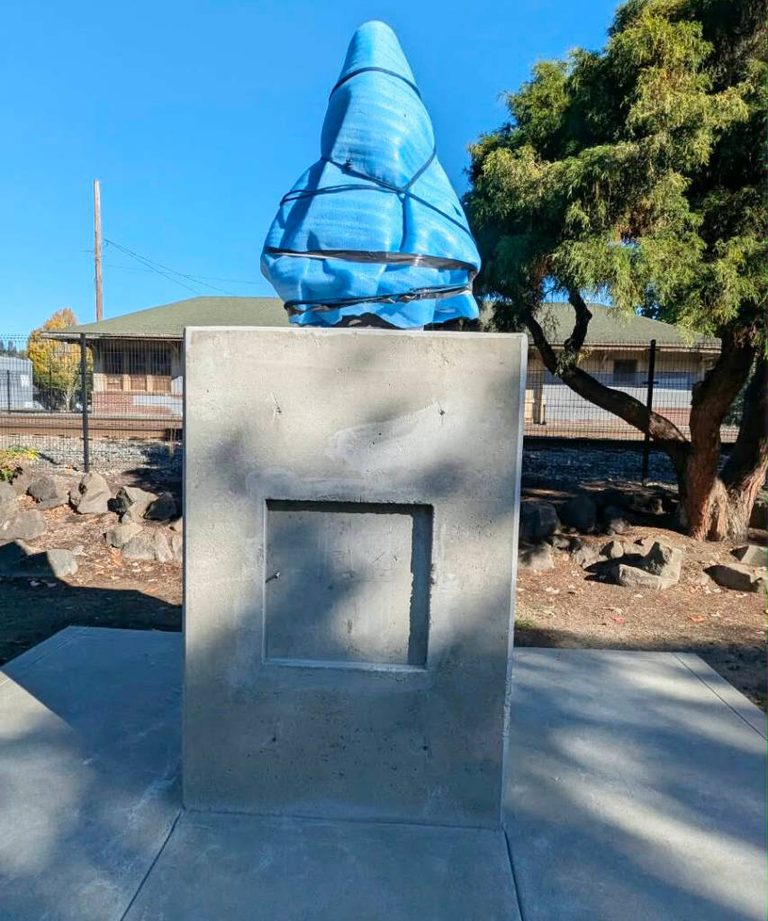
Mayor Dana Ralph acted swiftly to defuse a growing controversy in Kent by sending back a bust of Maharaja Ranjit Singh that had been installed in Rosebed Park. The statue, a gift from the Consulate General of India in Seattle, was removed after Sikh community leaders expressed concern that the donation could reopen painful memories of persecution and become a source of division rather than unity.
Mayor’s rationale
In a statement to the Renton Reporter on November 19, Mayor Ralph emphasized that the decision was not taken lightly. “Returning the statue was certainly not a rejection of the Consul General’s generosity, the historical significance of Maharaja Ranjit Singh, or the tremendous contributions of our Indian and Sikh residents,” she said. “My greatest concern was that the statue could become a lasting source of hurt and division rather than a place of celebration, gathering and pride.”
Community input and council involvement
City Council President Satwinder Kaur, a Sikh councilmember, urged the mayor on November 16 to remove the bust and allow the Sikh community to commission a statue of its own choosing. Kaur also requested an apology for the way the situation unfolded. The mayor acknowledged the council’s perspective but noted that the acceptance and placement of gifts are administrative responsibilities, not matters requiring council approval.
Background of the donation
The Consulate General of India approached Kent several months ago with the offer, highlighting the city’s growing Indian population and the desire to celebrate cultural diversity. Mayor Ralph accepted the gift in good faith, noting that the statue would provide residents an opportunity to learn about an important historical figure. A local donor also contributed the base for the bust, which was later removed along with the statue.
Concerns from Sikh leaders
The South King County Sikh Leadership Coalition sent an October 13 email warning that the donation represented an “unacceptable attempt by a foreign government to co‑opt Sikh history for soft‑power diplomacy,” especially painful for families who fled India as political asylum seekers after the 1984 anti‑Sikh violence. Jasmit Singh, a community organizer, said the problem lay not with the statue itself but with the process and the lack of early consultation with Sikh councilmembers.
Mayor’s response to criticism
Mayor Ralph reiterated that while she values input from councilmembers and residents, the final decision rests with the city administration. She stressed that the removal was intended to preserve community harmony and avoid a symbol that could be perceived as foreign interference.
Broader cultural ties
Despite the setback, Kent continues to recognize its diverse heritage. Earlier in November, Mayor Ralph proclaimed November 8 as Diwali Day, joining about 20 other Washington cities in celebrating the Hindu festival. The Consulate General of India also recently donated a statue of Swami Vivekananda to Seattle, unveiled at Westlake Square as part of India’s cultural diplomacy initiative.
Looking ahead
The city plans to engage more directly with both Indian and Sikh community leaders on future cultural projects, ensuring that any public art reflects the shared values of Kent’s residents. By returning the bust, Mayor Ralph hopes to demonstrate a commitment to unity, respect for historical trauma, and a willingness to listen to the voices of those most affected.
Original reporting: Renton Reporter — read the source article.