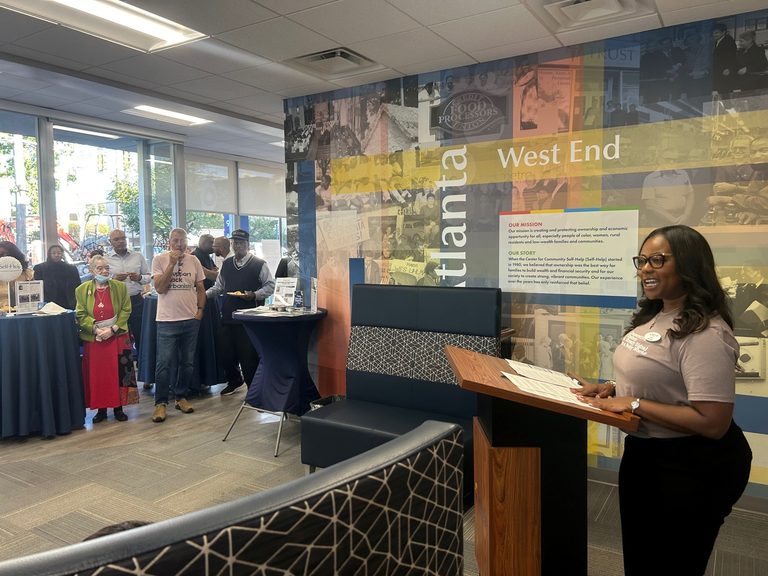
Atlanta’s Westside neighborhoods—English Avenue and Vine City—are at the forefront of a new conversation about community building. A report released by Self‑Help Credit Union’s Center for Responsible Lending and its Julian Bond Institute for Financial Equity Research finds that household financial stability must be a core component of any development strategy.
Survey reveals deep financial strain
Drawing on surveys, interviews and focus groups with nearly 400 residents, the study paints a stark picture. Rising costs for groceries, gasoline and other essentials are forcing families to dip into savings or take on additional debt. Many respondents described turning to what the report calls “desperation finance,” a term that captures high‑cost loans and predatory lending practices that trap households in a cycle of debt.
Five key findings guide recommendations
The researchers distilled their findings into five actionable recommendations:
- Expand inclusive banking pathways. Residents need more access to safe, low‑cost banking services that do not rely on check‑cash‑only outlets or payday lenders.
- Support income and savings growth. Programs that boost wages, provide job training and encourage regular savings can help families build a financial cushion.
- Increase affordable credit options. Community‑based lenders and credit‑union products should be broadened to meet everyday borrowing needs without exorbitant fees.
- Integrate financial education into development projects. Workshops on budgeting, credit building and home‑ownership can empower residents to make informed decisions.
- Partner with local organizations. Collaboration among nonprofits, faith groups, schools and city agencies is essential to sustain long‑term financial health.
Why financial health matters for neighborhoods
Building stable communities requires more than bricks and mortar. When families are financially secure, they are better able to take advantage of new jobs, home‑ownership opportunities and local services. The report argues that without addressing the underlying economic pressures, even the most well‑intentioned housing or infrastructure projects will fall short of delivering lasting prosperity.
Calls to action for Atlanta leaders
Self‑Help urges community organizations, advocates and allies to connect with its Atlanta branch and stay engaged with ongoing research from the Center for Responsible Lending, the Georgia Financial Protection Coalition and other partners. By aligning development plans with the report’s recommendations, city officials and developers can help ensure that growth benefits the people who call the Westside home.
About the sponsor
This piece is sponsored content from Self‑Help Credit Union, a member‑owned financial institution that has long championed affordable credit and community investment across Georgia.
Original reporting: SaportaReport — read the source article.