San Antonio health officials are sounding the alarm after the Pan American Health Organization revoked the United States’ measles elimination status. While the decision was expected, it underscores a troubling decline in MMR vaccination rates across Texas, especially in Bexar County.
Local vaccination gaps
Statewide data from the Texas Department of State Health Services show that 93.3% of kindergartners were vaccinated during the 2025‑2026 school year, meeting the national benchmark. Bexar County’s overall rate was similar at 93.6%, but the picture changes dramatically when individual schools are examined.
One Bexar County elementary reported a coverage rate of just 43%, and four other schools fell below 75%. “That’s the concern,” said Dr. Jason Bowling, chief epidemiologist at University Health. He likened the situation to a wildfire: “You have some areas where it doesn’t burn very well, but then it reaches another area and just takes off.”
Why the decline matters
Measles is one of the most contagious viruses known, capable of lingering in the air or on surfaces for up to two hours. Complications can include brain damage, blindness, deafness, and long‑term weakening of the immune system. Without a robust herd immunity threshold—generally 95% for the MMR vaccine—communities become vulnerable to rapid spread.
“It’s sad, because it’s completely avoidable,” said Lee‑Ann Allen, executive vice president for research at the Texas Biomedical Research Institute. The institute’s scientists are already testing potential therapeutics, but as Viraj Kulkarni noted, “We don’t have to even do this research — if you give the vaccine, it’s gone.”
Political backdrop
Public health experts have criticized U.S. Health Secretary Robert F. Kennedy Jr. for narrowing federal childhood vaccine recommendations and reviving debunked claims linking vaccines to autism. Kennedy also cut nearly half a billion dollars from mRNA vaccine research funding. In an X post following the PAHO announcement, Kennedy pledged to work toward regaining measles elimination status, emphasizing the MMR vaccine as the most effective tool.
While the administration’s stance aligns with decades of scientific consensus, the local community must translate that guidance into action. Parents who grew up before widespread vaccination remember the devastation of measles and other childhood diseases. “When I was a kid, vaccines were new and people my parents’ age had these diseases during childhood,” Allen recalled. “They realized from their personal experience how devastating these diseases can be for children.”
Call to action for Bexar County
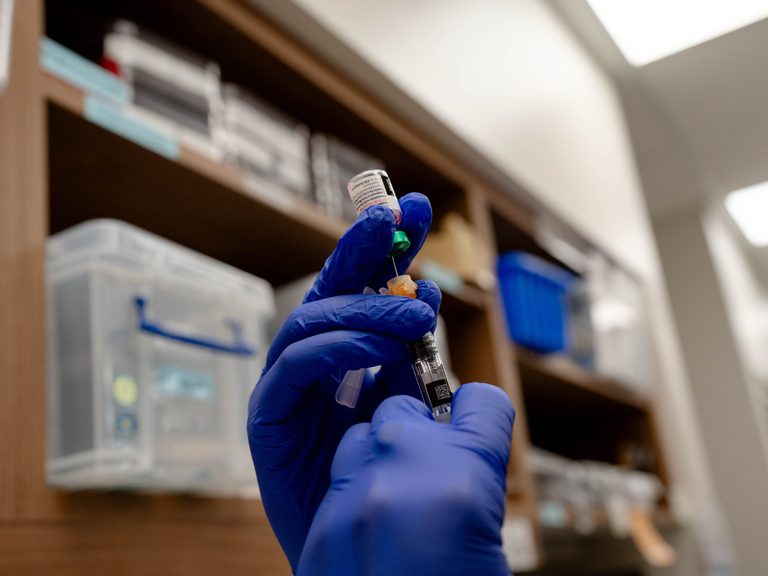
Health officials urge families to verify their children’s immunization records and schedule any missed doses promptly. Schools with low coverage rates are being asked to partner with local health departments to host vaccination clinics.
Bowling added that the PAHO decision should be viewed as a catalyst for renewed effort, pointing to Brazil’s successful rebound after losing its own elimination status. “I saw a headline that it’s a national embarrassment, and I don’t necessarily disagree with that,” he said. “But this is a call to action. Let’s not just sit on our hands. It’s only going to turn around with concerted effort.”
What parents can do
- Check the Texas Immunization Registry for up‑to‑date records.
- Schedule MMR shots at your pediatrician’s office or a local health clinic.
- Encourage schools to hold on‑site vaccination events.
- Stay informed through the Bexar County Health Department’s updates.
By restoring vaccination rates to the 95% threshold, Bexar County can help the nation regain its measles elimination status and protect the most vulnerable children in our community.
Original reporting: San Antonio Report — read the source article.