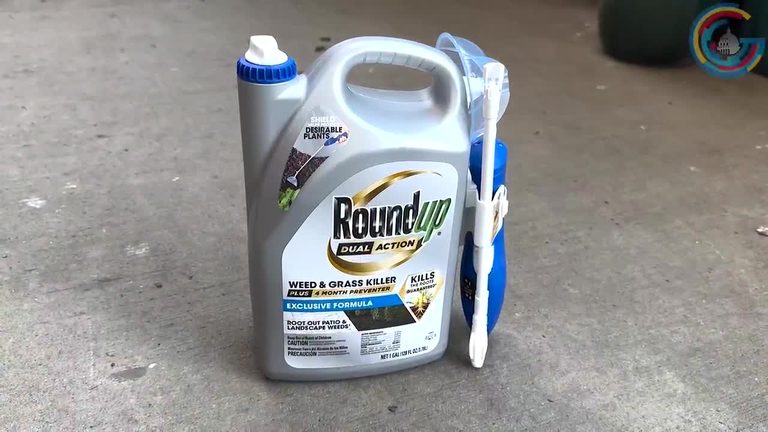
JEFFERSON CITY, Mo. — In a decision that brings financial certainty to Bayer and compensation to thousands of cancer patients, St. Louis Circuit Judge Timothy Boyer approved a settlement worth up to $7.25 billion over the next two decades. The agreement resolves claims that the herbicide Roundup, whose active ingredient is glyphosate, caused non‑Hodgkin lymphoma.
How the settlement works
The nationwide settlement applies to both current Roundup users who have already been diagnosed and to future claimants who may develop the disease. Individual payouts will range from about $10,000 for older claimants to as much as $165,000 for younger, heavily exposed workers, depending on usage, age at diagnosis and severity of illness. Attorneys’ fees are capped at $600 million.
Judge’s rationale
Judge Boyer described the average individual awards as “fair and adequate” and noted that the total dollar amount is “among the largest in the history of mass‑tort personal‑injury class‑action settlements.” He warned that rejecting the deal could have pushed Bayer toward bankruptcy protection.
Bayer’s response
Bayer CEO Bill Anderson called the court‑approved settlement “a decisive milestone in the company’s strategy to mitigate the risks of both pending and future Roundup litigation.” The German‑based company, which acquired Monsanto in 2018, has already changed the formula for residential versions of Roundup and removed glyphosate from new residential products.
Legal backdrop
The settlement comes after the U.S. Supreme Court ruled in June that Bayer cannot be sued in state courts over alleged failure to warn about cancer because federal regulations do not require a cancer warning label and states are barred from imposing additional labeling requirements. While some attorneys for plaintiffs argue the payouts are too low, others contend the deal is preferable to receiving nothing under the new Supreme Court precedent.
Scientific context
The World Health Organization’s International Agency for Research on Cancer classified glyphosate as “probably carcinogenic” in 2015. By contrast, the U.S. Environmental Protection Agency has concluded that the chemical is not likely to cause cancer in humans when used as directed. About 200,000 Roundup‑related claims have been filed, many from residential users.
What’s next
The settlement requires Bayer to make annual payments into a special fund for up to 21 years. While the agreement can be appealed, it currently stands as the most comprehensive resolution of the Roundup litigation to date.
Original reporting: KY3 Springfield (local) — read the source article.