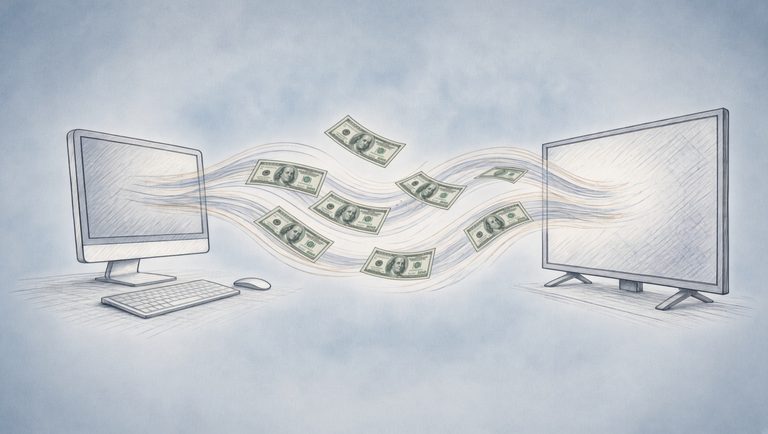
On November 17, Texas Comptroller Don Huffines unveiled proposed amendments to Rule 3.313 that would eliminate the state sales tax on streaming video subscriptions. The change would formally recognize that video programming delivered over the internet is not a “cable television service” and therefore should not be subject to the 6.25 percent state tax – plus any local add‑on that can reach 8.25 percent.
Why the tax has been a problem for families
Since 2014 the Comptroller’s office has collected sales tax on services such as Netflix, Hulu, Amazon Prime Video, YouTube TV, HBO Max and Disney+. Those services were treated as cable television under a definition the Legislature wrote in 1984. Huffines said, “In 2014, bureaucrats decided a law written in 1984 for cable boxes somehow covered streaming. If the Legislature wants to tax streaming, they can pass a law and own it. Until then, this agency will not invent taxes.” By removing the tax, families can keep more of their hard‑earned money for essential needs.
Extending relief to cloud and AI services
The very next day, November 18, Huffines announced a companion proposal to amend Rule 3.308. The amendment would confirm that internet hosting, cloud computing, artificial intelligence and other hosted technology services are not taxable data‑processing services. The proposal, published in the November 20 Texas Register with comments due Dec. 20, argues that the 1987 data‑processing statute was stretched to cover modern technologies the Legislature never intended to tax, and that those costs are ultimately passed to consumers.
Part of a broader taxpayer‑first agenda
Both proposals are components of Huffines’ “Taxpayer First Project,” which recently included a move to end sales tax on marketplace and platform fees. The effort reflects a growing conservative consensus that government should not burden families with taxes on services that were never voted on by the people.
Potential political roadblocks
Although the amendments could be adopted next month, they may face reversal by the incoming Comptroller Sarah Eckhardt (D), who will take office in January 2027. Critics from the Democratic side argue that the tax revenue supports state programs, but Huffines counters that the revenue from streaming taxes is modest and that the tax burden falls disproportionately on households.
What Texas residents can do
Supporters encourage Texans to contact their state legislators and ask them to codify the clarification, ensuring that future comptrollers cannot re‑impose the tax. By urging lawmakers to pass clear legislation, citizens can help make the tax relief permanent.
For more details on the proposed rule changes and how to submit comments, visit the Texas Register website or the Comptroller’s office page.
Original reporting: Texans for Fiscal Responsibility — read the source article.