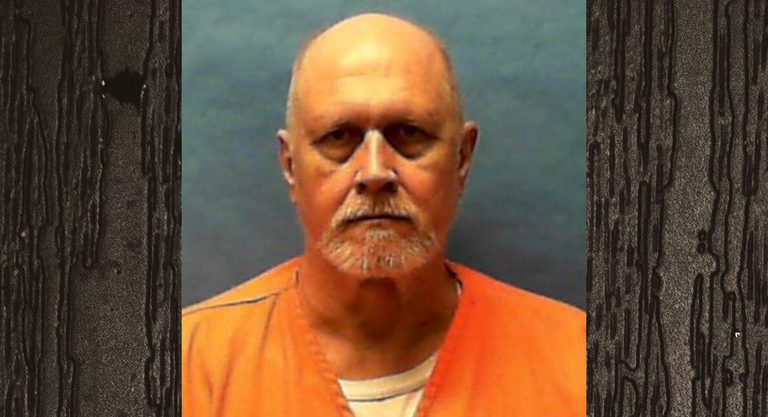
Florida State Prison in Raiford carried out its 20th execution of 2026 on Thursday evening, setting a new modern‑era record for the state. The inmate, Thomas Mitchell Overton, was put to death by lethal injection after more than 25 years on death row.
Background of the case
Overton was convicted in 1999 for the August 1991 murders of Susan “Missy” MacIvor, Michael MacIvor, and their unborn child in their Tavernier home, a community in the Florida Keys. A Monroe County jury voted 8–4 and 9–3 in favor of capital punishment, and a judge sentenced Overton to death in March 1999.
Final legal challenges
In the days leading up to the execution, Overton’s attorneys filed a last‑minute request for a stay of execution. The Florida Supreme Court denied the request on Nov. 13, finding that his claims of actual innocence had already been addressed in earlier proceedings. An emergency application to the U.S. Supreme Court on Nov. 14 also failed to halt the execution.
Overton’s defense raised several concerns about the original investigation. They noted that a local veterinarian performed forensic testing in his spare bedroom, stored evidence in a home refrigerator, and allowed a psychic to handle items without gloves. The defense argued that prints from a pipe and an address book did not match Overton, and that hair samples from the binding tape were never DNA‑tested. Prosecutors, however, relied on semen matching Overton found on a mattress pad and testimony from two jailhouse informants. The defense suggested the biological sample could have been planted, pointing to a chemical found in spermicidal condoms as possible evidence of tampering.
Sentencing timeline
After the U.S. Supreme Court struck down Florida’s capital sentencing framework in Hurst v. Florida, the Florida Supreme Court limited resentencing relief to cases finalized on or after June 24, 2002. Overton’s death sentences became final 42 days before that cutoff, leaving him ineligible for a new sentencing hearing before a unanimous jury.
Reactions and community impact
State prosecutors maintained that Overton’s convictions had been thoroughly reviewed and upheld through decades of state and federal challenges. Anti‑death‑penalty advocates highlighted Overton’s background as a U.S. Army veteran and a survivor of childhood abuse at the Arthur G. Dozier School for Boys. They also noted that while on death row, Overton drew cartoon illustrations he called “Goodbye Cards” for children moving between foster homes.
The execution underscores Florida’s aggressive use of the death penalty under the current administration, a policy stance that many Floridians view as a firm response to violent crime. Supporters argue that the record number of executions reflects a commitment to law and order, while opponents continue to raise concerns about due‑process safeguards and the handling of forensic evidence.
What’s next?
With the 20th execution now recorded, Florida’s correctional system will likely continue to process pending death‑row cases. Advocacy groups say the state should re‑examine its capital‑punishment procedures, especially regarding evidence collection and the rights of the accused. Lawmakers and the public will be watching how the record‑setting year influences future policy debates on the death penalty in Florida.
Original reporting: Tampa Free Press — read the source article.