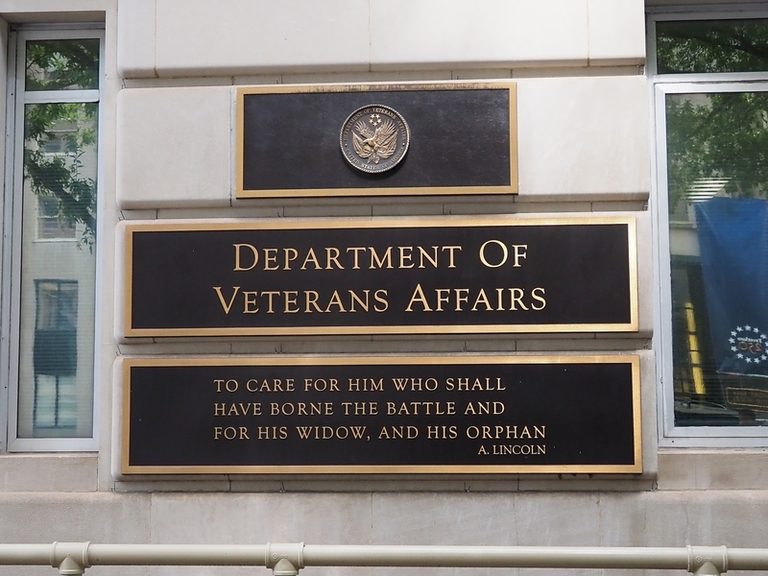
Washington – In a two‑and‑a‑half‑hour hearing, the House Committee on Veterans Affairs Subcommittee on Health examined how the Department of Veterans Affairs could implement psychedelic‑assisted mental‑health treatment for veterans if the Food and Drug Administration grants approval.
Veterans’ need and potential impact
More than 2 million veterans suffer from treatment‑resistant depression, and roughly 180,000 could qualify for therapy with compounds such as MDMA, psilocybin, LSD, DMT and ibogaine, according to the Veterans Health Administration.
Bipartisan enthusiasm tempered by practical concerns
Republican subcommittee chair Rep. Mariannette Miller‑Meeks, R‑Iowa, an Army veteran and ophthalmologist, praised the emerging therapies and referenced ongoing MDMA‑assisted trials at VA facilities in Rhode Island and Connecticut, funded in 2024.
She also highlighted President Donald Trump’s April executive order directing the FDA, the VA, the Drug Enforcement Administration and the Department of Health and Human Services to remove barriers – such as drug‑enforcement classification – that impede testing of these treatments.
Democratic ranking member Rep. Julia Brownley, D‑California, called the clinical trials “extremely welcome news” but cautioned that the new therapies will not be a panacea and that the VA must continue to strengthen its overall mental‑health continuum.
VA capacity and staffing questions
Brownley asked whether the VA would hire additional staff to meet expected demand and avoid overtaxing the existing workforce, noting recent staff reductions under the Trump administration.
Veterans Health Administration senior adviser Andrew Gradison acknowledged the treatments are “extremely labor intensive,” with dosing sessions lasting six to eight hours, and said the VA has identified ten initial sites for treatment, though locations were not disclosed publicly.
Rep. Herb Conaway, D‑New Jersey, questioned geographic coverage, noting the current list seemed concentrated on the coasts and lacked representation in the Southeast.
VA deputy assistant under secretary for health Dr. Ilse Wiechers explained the selected sites were chosen for their likelihood of early success and that lessons learned would guide broader rollout.
Regulatory hurdles remain
All the compounds under review remain Schedule I substances, requiring coordination with the DEA. Michigan Republican Rep. Jack Bergman asked about the most likely delays from controlled‑substance requirements.
Marion Coe of Pinney Associates, a healthcare consulting firm, described the storage and legal handling of these chemicals as “complicated,” urging the VA and DEA to work together to reduce bureaucratic obstacles.
Veterans’ suicide crisis
The hearing underscored the urgency of new treatments, citing the Veterans Affairs Suicide Prevention Annual Report, which recorded nearly 6,500 veteran suicides in 2024.
“Something needs to change,” Miller‑Meeks said, noting that despite prevention efforts, suicide numbers have remained stubbornly stagnant.
For veterans or loved ones in crisis, help is available 24/7 through the 988 Suicide & Crisis Lifeline.
Original reporting: The Connecticut Mirror — read the source article.