Picture a Friday afternoon in late October, the kind where the sky over Bradford goes flat gray by four o’clock and everyone seems to be moving a little faster toward wherever they’re going. You’ve got an hour to kill before dinner, and somehow you end up standing on Congress Street in front of a brick building that has been making lighters in this town since 1932. You’re not sure what you expected, but you weren’t expecting to stay as long as you do.
George Blaisdell started Zippo Manufacturing here with a rented space and a hunch that people wanted a windproof lighter that actually worked. Nine decades later, the company still makes every Zippo lighter in Bradford, still guarantees every one of them for life regardless of age, and still employs a few hundred people from the surrounding McKean County area. When you walk up to the building — the manufacturing plant, not the museum next door — that history is not abstract. The loading docks are real. The smell of machine oil drifts toward the sidewalk on cool days. Workers in company gear walk to their cars at shift change. This is a working factory, not a heritage site dressed up to look like one.
What you can actually access as a visitor is the Zippo/Case Museum adjacent to the plant, but the reason to come isn’t just the exhibits — it’s the whole block. The museum does its job well: lighters from wartime soldiers, Hollywood props, custom jobs so intricate they look more like sculpture than hardware. There’s a repair clinic where technicians fix older lighters at no charge, which is as good a demonstration of brand identity as any marketing campaign could be. Bring your grandfather’s lighter from 1967, hand it over, watch them look at it seriously. That part doesn’t feel like a tourist experience.
The museum itself is free to enter, which catches a lot of people off guard. You can spend forty-five minutes in there or two hours, depending on how deep you go into the display cases. The rarer pieces — military lighters, engraved commemoratives, odd-shaped designs that never went into full production — are the ones worth slowing down for. They tell you something about how Bradford’s industrial identity ran parallel to American cultural history for most of the twentieth century.
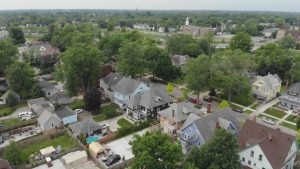
Go on a weekday if you can, particularly mid-morning or early afternoon. Weekend crowds are manageable but the parking on Congress Street fills faster than you’d think. The surrounding neighborhood gives you a clear read on Bradford’s older commercial and industrial character: nothing polished, nothing performative, just a city that made things and mostly still does.
If you’re traveling with someone who thinks they have no interest in industrial history or brand museums, bring them anyway. The repair clinic alone tends to convert skeptics. And if you happen to own a Zippo — especially an older one with a dent or a stuck wheel — there is genuinely no better place to be standing on a gray Friday afternoon in October.