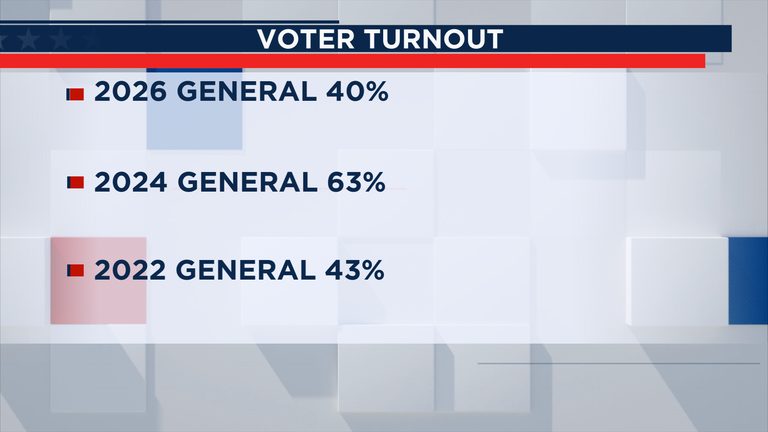
North Dakota’s 2026 general election saw roughly 40% of eligible voters head to the polls, the lowest participation rate in more than 50 years. The figure, reported by Secretary of State Michael Howe, underscores a stark contrast to the state’s historically robust civic engagement.
Bipartisan concern over low turnout
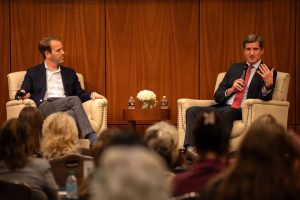
Both Democratic and Republican legislators expressed disappointment. “Yeah, it’s really disappointing,” said Rep. Zachary Ista (D). Rep. Robin Weisz (R) echoed the sentiment, adding, “It’s disappointing when we have low voter turnout.” The shared concern reflects a rare moment of unity across the political aisle.
Officials point to outreach and enthusiasm
Secretary Howe emphasized that the decline is less about partisan allegiance and more about a broader sense of public dissatisfaction. “I think there is dissatisfaction amongst the public of institutions, but maybe not one specific party,” he said.
Lawmakers suggested that better communication could improve participation. Rep. Ista noted, “We got to be a little bit better at getting the word out and convincing people it matters to vote.” Rep. Weisz highlighted voter sentiment, explaining that some citizens stay home because they feel dissatisfied with both major parties.
North Dakota’s voting accessibility
Despite the low turnout, the state continues to offer a range of voter-friendly options. Howe praised North Dakota’s lack of voter registration requirements, early voting periods, and mail‑in ballot availability. “I think one thing North Dakota does well is make it easy to vote,” Howe said, citing his own experience voting from home in September.
These conveniences position the state as a model for reducing barriers to the ballot, even as participation wanes.
Historical context
When President Trump was elected in 2024, statewide turnout reached 63%, according to the Secretary of State’s website. Two years earlier, in the 2022 midterms, turnout stood at 43%. The current 40% figure marks a decline from those recent benchmarks.
Looking ahead
State lawmakers have approached the Secretary of State’s office with questions about new voter‑registration legislation, though their focus remains on campaign data rather than direct turnout initiatives. As the next election cycle approaches, officials hope that improved outreach and continued emphasis on voting accessibility will reverse the downward trend.
Community leaders and faith‑based organizations are also being urged to play a role in encouraging civic participation, reinforcing the idea that voting is a fundamental expression of individual liberty and responsibility.
Original reporting: KFYR-TV Bismarck (news) — read the source article.