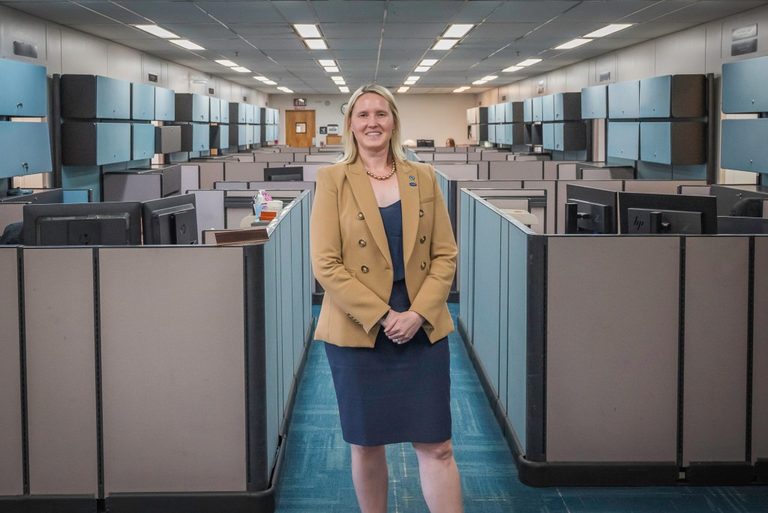
San Diego’s newly appointed chief operating officer, Bethany Bezak, told local reporters that the city is delivering the vast majority of services well while confronting a sizable infrastructure challenge. In her first 90 days, Bezak said she will focus on visible outcomes for residents and on fixing the one percent of issues that still need attention.
Backlog of Capital Improvements
Bezak highlighted an “almost $8 billion” backlog in the city’s Capital Improvements Project (CIP) portfolio. The shortfall means many facilities – from libraries to parks and recreation centers – are operating without needed preventative maintenance. Roof repairs, HVAC upkeep and other essential work have been delayed, affecting daily life for San Diegans.
Key Risks Identified
When asked about the top risks to city operations, Bezak named three:
- Critical infrastructure – the aging water, sewer and public‑works systems that have not received sufficient investment for years.
- Public trust – confidence erodes when core services are under‑funded, creating a feedback loop that hampers future funding.
- Litigation – insufficient investment can lead to lawsuits that further drain resources from needed projects.
She stressed that these risks are interconnected, forming a “vicious cycle” that the administration intends to break.
Financial Discipline and Balanced Outlook
Bezak noted that Mayor Todd Gloria recently announced a five‑year balanced outlook for the city. “We can live within our means and sustain day‑to‑day resources,” she said, emphasizing fiscal responsibility while acknowledging the need for strategic spending on infrastructure.
Addressing Service Gaps
Specific service issues were also discussed. The city discovered an error that under‑charged trash fees for many residents. Bezak called the mistake “unacceptable” and promised new controls to prevent recurrence.
Regarding streetlights, an audit revealed a backlog of 8,300 out of 60,000 fixtures. Many lights are decades old, with the oldest still standing in La Jolla dating back to the 1920s. The aging system often operates like a series circuit – a single failure can darken an entire block. Bezak explained that the city employs 18 skilled electricians and uses parking‑district funding and a prioritization matrix to address the most critical repairs first.
Engaging the Workforce
Bezak said she will “roll up her sleeves” and meet directly with frontline staff to understand operational challenges. She cited past efforts to streamline contracting processes by asking directors to pinpoint bottlenecks, noting that simple, focused conversations can yield quick improvements.
Communicating Success
To rebuild confidence, Bezak wants to highlight the 99 percent of services that are working well. She cited the city’s trash collection program, which serves over 200,000 residents and misses only about 600 routes on any given day. Her goal is to make these successes more visible to taxpayers.
Looking Ahead
Bezak’s early agenda centers on transparency, fiscal prudence and targeted investment in the city’s aging infrastructure. By addressing the backlog, improving oversight and communicating daily wins, she aims to restore public trust and keep San Diego’s services running smoothly for years to come.
Original reporting: Voice of San Diego — read the source article.