Both the Restore Our Fairgrounds coalition and the Decline to Sign group have taken legal action against the Davidson County Election Commission, alleging errors in how petition signatures were counted and verified.
Background on the petition
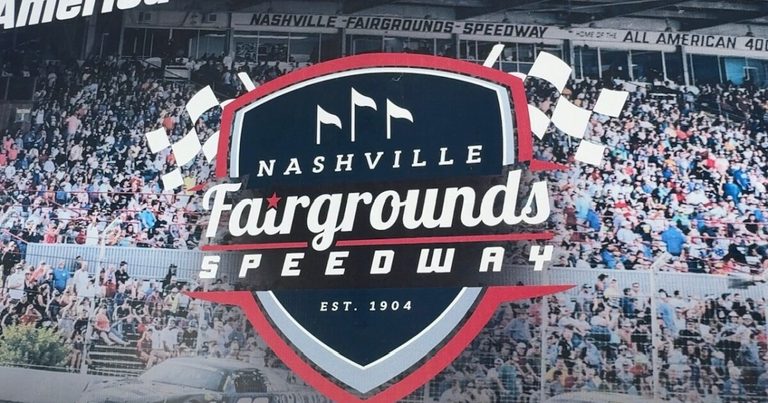
In October 2026 the commission certified a petition submitted by Restore Our Fairgrounds that seeks to put a charter amendment before voters in the summer of 2027. The amendment would allow a future ballot measure to decide whether auto racing should continue at the Nashville Fairgrounds Speedway, one of the nation’s oldest racetracks.
The Metro Nashville and Davidson County Charter requires that a petition be signed by at least ten percent of registered voters in the county at the time the Charter Revision Commission files the certification. The commission used the number of “active” registered voters, which Decline to Sign says lowered the required threshold from roughly 47,000 signatures to 40,194.
Decline to Sign’s lawsuit
Decline to Sign argues that the commission applied the wrong threshold and that many of the signatures were obtained through fraud or forgery. The group submitted more than 2,000 names to the commission, claiming those signers were misled or that their signatures were falsified. Affidavits attached to the suit list individuals who have not lived in Tennessee for years and request removal of their names.
The lawsuit also alleges that the commission accepted signatures from people who later withdrew their support, counted duplicate or undated entries, and included signatures from individuals who were not registered voters at the time of signing. Decline to Sign contends that the commission’s internal notes show a pattern of abuse and that the charter requires every signature to be genuine.
Restore Our Fairgrounds’s response
Restore Our Fairgrounds, led in part by former Metro attorney Saul Solomon, has filed its own suit claiming the commission improperly rejected more than 700 valid signatures. The coalition says those signatures were mistakenly marked as unregistered and should be counted toward the total.
Solomon’s filing asks the court to consider whether the opposing lawsuit could reduce the petition’s total below the required threshold, potentially invalidating the measure. The coalition also points to Tennessee law (TCA 2‑2‑106) that excludes inactive voter registrations from the total count, supporting their use of the higher threshold.
Legal context and recent rulings
Chancellor Anne C. Martin previously ruled that the election commission is not required to create a process for voters to withdraw their names from a petition. While the charter mandates verification of signatures, it does not obligate the commission to establish a formal withdrawal procedure.
Martin noted that opponents still have other legal avenues to challenge the certification, and she emphasized that the commission must continue to verify signatures for authenticity.
Community impact
The dispute reflects broader community concerns. Some residents view the speedway’s cultural legacy as misaligned with neighborhood values, especially after a recent incident involving a Confederate flag display on a race car. Advocates for the speedway argue it brings tourism and economic activity, while opponents cite desires for green space, affordable housing, and environmental cleanup of nearby Browns Creek.
Both lawsuits are now pending before the Davidson County Chancery Court. The outcome will determine whether the petition proceeds to the ballot and, ultimately, whether Nashville voters will decide the future of the Fairgrounds Speedway.
Original reporting: NewsChannel 5 WTVF (Scripps) – local — read the source article.