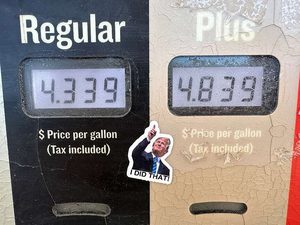
In the wake of the Iran conflict driving up fuel prices, American consumers are reassessing their spending habits, according to retail analysts and company executives. This shift is particularly evident in how people purchase gasoline and their frequency of visits to clothing and furniture stores.
Impact on Retailers
Major retailers like Walmart, McDonald’s, and Dollar General have noted that while consumers remain resilient, there are noticeable cutbacks, especially among lower-income shoppers. Executives have observed that the generous income tax refunds have temporarily bolstered sales, but concerns loom about a broader retrenchment as these refunds dissipate and the cumulative impact of higher prices for essentials like gas, food, and clothing takes hold.
Trevor Chapman, a communications executive from West Hills, California, shared that he and his wife now plan their fuel stops around Costco to save on gas, and they are also doing more online food shopping to avoid impulse buys. ‘Gas is a kind of catalyst,’ Chapman noted, highlighting how it affects their entire budget.
Changing Consumer Behavior
Warehouse stores such as Costco, Walmart’s Sam’s Club, and BJ’s Wholesale Club are seeing increased traffic at their fuel pumps, as fuel typically costs less at these locations. However, many drivers are not filling their tanks completely, a sign of financial stress, according to Walmart’s Chief Financial Officer John David Rainey.
Convenience stores, which sell 80% of all U.S. fuel, have been hit hard by this trend. A sales analysis by the National Association of Convenience Stores revealed a nearly 10% drop in pump transactions and in-store sales during March and April compared to the previous year.
Adapting to Economic Pressures
Despite higher gas prices, dining out remained popular in the early months of the conflict, aided by tax refunds. However, as the financial strain increases, budget-conscious consumers are cutting back on restaurant visits. McDonald’s CEO Chris Kempczinski noted that households earning $45,000 or less have reduced their fast-food purchases, a trend that began after the inflationary period post-COVID-19 pandemic.
Grocery shopping habits are also changing. Stew Leonard, president of Stew Leonard’s supermarket chain, observed that customers are buying meat in bulk to freeze and are sticking more to their shopping lists, avoiding impulse purchases.
Dollar General CEO Todd Vasos mentioned that $4 a gallon gas has led to more high-income consumers frequenting the discount chain, while core shoppers with mid-to-low incomes are cutting back on food spending.
Overall, as gas prices rise, consumers are prioritizing value-oriented retailers and adjusting their spending to focus on necessities over discretionary items.
Original reporting: Texarkana Gazette — read the source article.