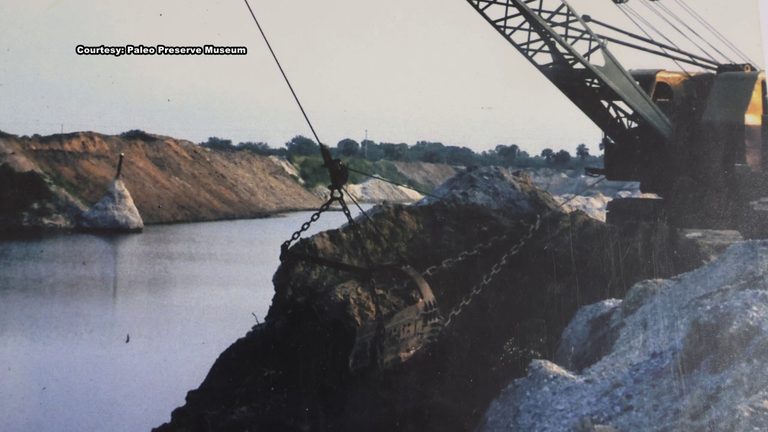
Ruskin, Fla. – On June 27, 1983, a dragline working at the Leisey Shell Pit revealed a staggering concentration of prehistoric bones. The find, now known as the “Miracle at Cockroach Bay,” yielded roughly 50,000 vertebrate fossils dating back one to one‑and‑a‑half million years. Today, the discovery continues to inspire scientific research and community pride.
How the Discovery Unfolded
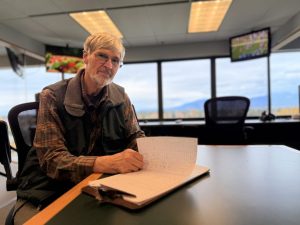
Fossil hunter Frank Garcia spent years combing the commercial shell pit for clues. When the dragline halted, Garcia recalled, “All you could see was jawbones, leg bones, and I just flipped out.” The exposed hills of bone soon proved to be a treasure trove of ancient life, including mammoths, giant ground sloths, llamas, tortoises and saber‑toothed cats.
Significant Finds
Among the most notable specimens was the first known skull of Smilodon gracilis, an early saber‑toothed cat species. Garcia also organized 184 volunteers—many of them children—to help recover the fossils, establishing a model for public participation in scientific digs.
Ongoing Scientific Value
Dr. Richard Hulbert, retired collections manager at the Florida Museum of Natural History, emphasized that the site still provides valuable data. “Leisey provided us with the first skull… there’s been many papers over the decades published on the Leisey Smilodon because it’s the best sample of its particular species,” he said. Thousands of the fossils remain preserved in the University of Florida’s collections, where researchers apply modern technology to study them.
Local Access and Education
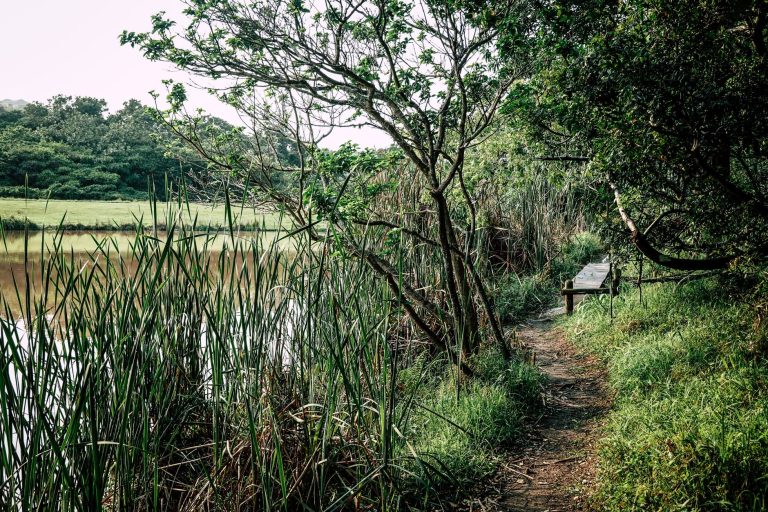
A historical marker now commemorates the original excavation site, which lies underwater. While the University of Florida’s collection is not open to the public, Ruskin’s Paleo Preserve Fossil Museum offers a way for residents and visitors to learn about the ancient creatures that once roamed Tampa Bay. The museum opens Saturdays from 9 a.m. to 2 p.m., showcasing the fossils and sharing the story of the 1983 dig.
Why It Matters to Ruskin
The discovery has become a point of pride for the Ruskin community, reinforcing a sense of place rooted in both natural history and local initiative. By involving volunteers and maintaining a museum dedicated to the finds, the town demonstrates how scientific heritage can strengthen community identity and inspire future generations.
Original reporting: Tampa Bay Florida News (HLL/CB) — read the source article.