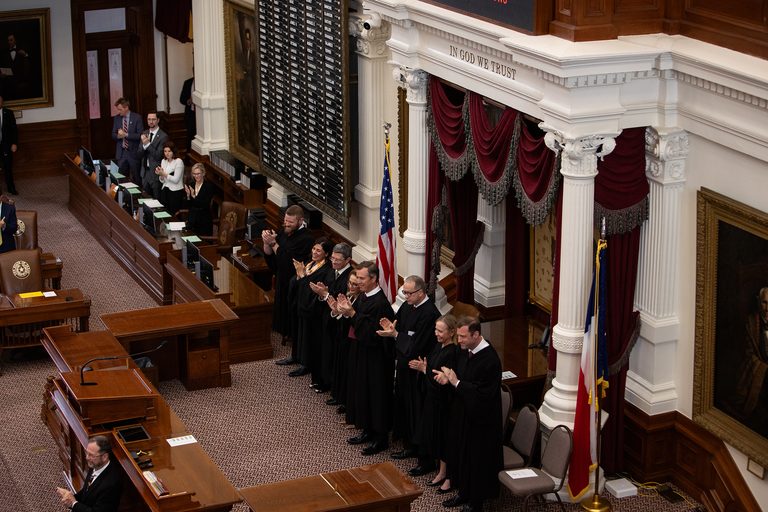
Texans voted for a dramatic shift in the composition of the state’s highest courts on Nov. 3, 2026. Four Republican justices on the Texas Supreme Court, including Chief Justice Jimmy Blacklock, were defeated and replaced by a historic slate that includes the first woman and the first openly LGBTQ+ justice to lead the court. Meanwhile, three Democrats won seats on the Court of Criminal Appeals, and the newly created 15th Court of Appeals flipped from a Republican to a Democratic majority.
What the election results mean
The changes loosen the Republican grip on interpreting the Texas Constitution, especially on high‑profile issues such as the death penalty, redistricting, and challenges to state statutes. While the new justices bring different judicial philosophies, many observers note that the court will still operate within the bounds of precedent and will likely move cautiously.
Key figures and perspectives
“I would anticipate seeing a tremendous flood of money and special‑interest attention as these courts become a huge source of contestation in 2028 and beyond,” said Alicia Bannon, senior director of the Brennan Center’s judiciary program.
Newly elected Supreme Court Justice Maggie Ellis, the first openly LGBTQ+ member of the high court, said she does not subscribe to strict constitutional originalism. “There are rare cases where judges must interpret the law in a way that reflects where society is,” she explained, adding that such instances are “very rare.” Ellis also highlighted the historic nature of her election, noting that without the 2015 Obergefell v. Hodges decision, she could not have married in Texas.
Gisela Triana, an Austin‑based appellate judge elected to the Supreme Court, cautioned voters who expected an immediate restoration of abortion rights. “I think you’re confused on how this works,” she said with a laugh, emphasizing that the courts do not set policy.
Lawyer Adam Shniderman, a former clerk of the Texas Supreme Court, warned that predicting specific rulings is premature. “It’s just reading the tea leaves,” he said, noting that the court’s decisions will depend on the cases that come before it and the ability to secure a majority vote.
Impact on civil judgments and corporate liability
For decades, the Republican‑dominated Supreme Court was known for striking down large civil judgments against corporations. Christopher Kratovil, a lawyer with Dykema, observed that the court’s reputation as a “best goalie” for defendants may soften. “Now it seems likely we’ll have more of a replacement‑level goalie—some stuff will get through,” he said, suggesting that plaintiffs may see a modest increase in successful claims.
Changes to the Court of Criminal Appeals
The electoral shift also ended Attorney General Ken Paxton’s effort to reshape the Court of Criminal Appeals. Paxton had previously worked to unseat judges who ruled his office lacked authority to prosecute voter‑fraud allegations. Two incumbents from the 2021 decision chose not to run again, and the court now includes three Democratic judges, potentially altering how death‑penalty appeals and criminal‑law challenges are decided.
Looking ahead
Legal analysts expect the newly composed courts to operate with a degree of collegiality that has characterized Texas’s judiciary historically. “Judges are by nature conservative, not in the political sense but in that they don’t love big sweeping changes,” Shniderman noted. “Precedent makes the world they operate in easier, so we can expect them to be circumspect and cautious.”
While the immediate impact on specific policy areas remains uncertain, the presence of Democratic justices introduces a broader range of viewpoints that could influence future rulings on contentious issues such as abortion, LGBTQ+ rights, and redistricting.
Original reporting: Texas Tribune (HLL/CB) — read the source article.