One year after Texas voters overwhelmingly backed a $3 billion dementia research fund, the Dementia Prevention and Research Institute of Texas (DPRIT) has yet to begin operations. The delay stems from a lawsuit challenging the accuracy of the machines used to count the ballot measure, leaving the money idle at the state comptroller’s office.
Voter approval and bipartisan backing
In November 2025, 70% of voters approved the measure, which aims to accelerate research into Alzheimer’s, Parkinson’s and other brain‑related diseases. The initiative was championed by Republican Lt. Gov. Dan Patrick, who framed dementia as a “heartbreaking and devastating disease” and promised Texas could become a world leader in finding a cure.
Both the original sponsors—Gov.-elect Gina Hinojosa, Lt. Gov.-elect Vikki Goodwin, and Rep. Senfronia Thompson—have emphasized the bipartisan nature of the effort. Laura Cilmi, spokesperson for the Alzheimer’s Association, said the fund’s support “was never tied to one office or one party.”
Legal hurdle slows progress
A Travis County judge dismissed the lawsuit in February, but the case was appealed to the newly created 15th Court of Appeals. The three Republican judges on that court will be replaced by newly elected Democrats in January, giving the GOP a brief window to resolve the matter before the bench shifts.
Without a court ruling, the $3 billion earmarked for research remains locked, preventing universities such as Rice and the University of Texas at Dallas from moving forward with grant programs they had already begun preparing.
Legislative response
State Rep. Brian Harrison (R‑Midlothian), who opposed DPRIT from the start, introduced House Bill 822, proposing to repeal the fund and redirect the money toward property‑tax relief. Harrison argued that the state should “stop growing government and give people back their money.”
Supporters of the fund, including the Alzheimer’s Association and the American Heart Association, have filed a joint friend‑of‑the‑court brief urging the appellate judges to uphold the lower court’s dismissal and allow the research effort to proceed.
Impact on Texans
Approximately 459,000 Texans over age 65 live with Alzheimer’s, and more than 1 million serve as unpaid caregivers. Patients and families have expressed frustration at the delay, fearing lost opportunities for breakthroughs.
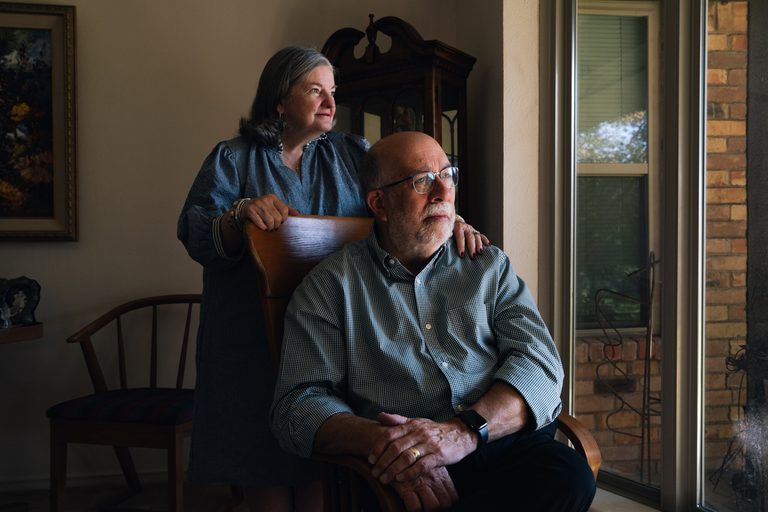
Retired Dallas attorney Luke Davis, 72, who was diagnosed in 2023, described the fund as a “no‑brainer” for Texas. He noted recent advances, such as the FDA‑approved drug Leqembi, which has slowed his disease progression by two‑thirds over 18 months.
As the legal battle continues, Davis and other families check the appellate website weekly for updates, hoping the court’s decision will finally unlock the research money.
Original reporting: Texas Tribune (HLL/CB) — read the source article.