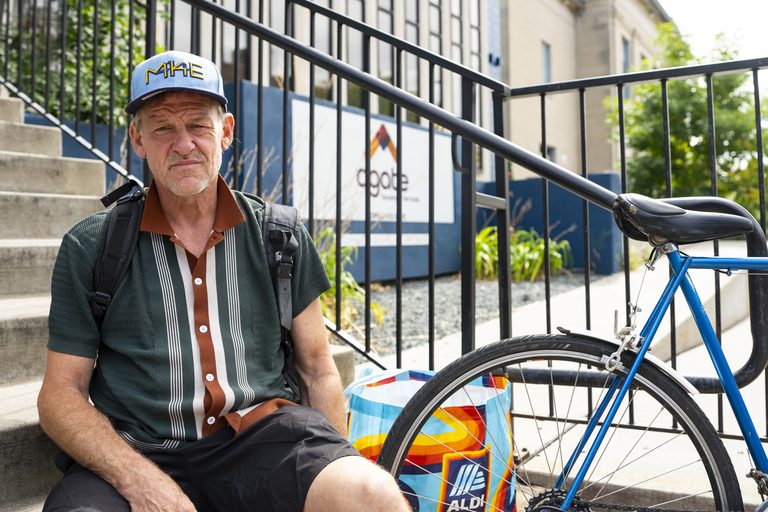
Minneapolis has moved away from large, visible tent encampments after a police order two years ago allowed officers to dismantle them more aggressively. Mayor Jacob Frey highlighted a “dramatic reduction” in unsheltered homelessness, noting that the city no longer sees the sprawling camps that once dotted the streets.
In response to the displacement of people who previously lived in tents, the City Council on Oct. 29 approved an ordinance permitting individuals experiencing homelessness to remain in their cars overnight in designated outdoor parking lots. The ordinance protects them from towing, tickets, or forced removal and promises access to shelter, housing, and health services at those sites.
Community impact and concerns
Council Member Soren Stevenson warned that many families are now sleeping in vehicles, asking, “Are they safe there?” He cited two families he observed outside his window, one with a broken van window, underscoring the need for safe, stable shelter options.
Service providers note that the ordinance has scattered people, making outreach more difficult. The city’s encampment dashboard recorded over 300 encampments this year, but most are small and hidden. Hennepin County data show roughly 4,000 people experiencing homelessness each month since Jan. 2025, with a slight dip to 3,940 in Jan. 2025, though officials acknowledge undercounts.
Numbers from local nonprofits
Agate Housing and Services, a nonprofit that assists unsheltered residents, reported serving 2,732 individuals this year, up from 2,602 the prior year. Overall, the organization helped more than 7,200 people in 2026, though those figures include repeat service users.
Jay Wagner, director of holistic grantmaking at Twin Cities United Way, warned that even a minor financial emergency can push families into crisis. “The cost of making ends meet has really squeezed families,” he said, highlighting the broader affordability challenges facing Minneapolis residents.
Policy backdrop
Operation Metro Surge, a federal immigration enforcement effort, further strained the housing market. During its peak in early 2026, many immigrants and people of color stayed home out of fear, while United Way’s 211 hotline saw a surge in rent‑assistance calls—1,700 in Jan. 2026 versus 892 the previous year.
Rising evictions also signal pressure on renters: more than 7,600 eviction cases were filed between Jan. and Sep. 2026, a 3% increase over the same period last year. The city allocated $3.8 million for emergency rental assistance, though some council members argue the amount falls short of demand.
City‑government restructuring
Mayor Frey’s administration recently moved the homeless response function from the Health Department to Regulatory Services, a shift some council members criticize as focusing on enforcement rather than public health. Council Member Aisha Chughtai called the change “an approach to invisibilizing homelessness,” while Council President Elliott Payne said the current system is “set up to fail.”
Mayor Frey defended the reorganization, emphasizing continued public‑health initiatives such as a Mobile Medical Unit and a dedicated homeless response team that connects people to resources.
Looking ahead
The city’s new car‑overnight ordinance reflects an effort to balance public safety, health, and compassion for the unhoused. While officials point to the disappearance of large tent camps as progress, advocates and service providers stress the need for more permanent housing solutions and adequate funding to prevent further displacement.
Original reporting: Sahan Journal — read the source article.