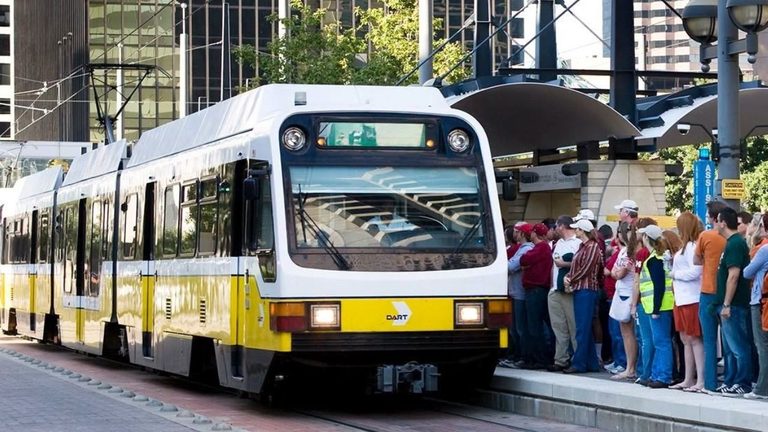
Dallas Area Rapid Transit (DART) started a 90‑day security pilot called Operation Access on Monday, aiming to make the rail system safer and more reliable for commuters. The initiative places uniformed officers at seven light‑rail stations and requires riders at two downtown stops to pass through barriers and validate their fares, a move that could affect daily travel for thousands of Dallas residents.
According to WBAP, the pilot stations include Pearl/Arts District and West End, where fare‑gate checks will be mandatory, and five additional enforcement locations—Bachman, Forest Lane, LBJ/Skillman, MLK Jr., and 8th & Corinth—where uniformed police, fare‑enforcement officers and transit‑security officers will be stationed. DART announced the program on November 13 and posted a service alert on its Facebook page on November 16, warning riders to expect extra police and security presence and possible brief delays during busy periods.
“At its core, Operation Access is about creating the transit experience our riders deserve,” DART Police Chief Charles Cato said in the agency’s release. “When customers see a consistent security presence, know that fares are being checked, and feel confident that everyone is following the same rules, it creates a safer and more comfortable environment for everyone.” DART President and CEO Nathaniel P. Ford Sr. added that the agency will collect data during the pilot to shape future rail security and customer‑experience plans.
The pilot follows DART’s approval of $47.4 million in fiscal year 2026 funding for security and cleanliness improvements. However, the agency has not yet detailed how many officers will work each station, the cost of the demonstration, or the performance thresholds that will determine success. The broader question of 24‑hour, Level IV‑trained personal‑protection officers on every bus and train remains unresolved.
Previous estimates cited by The Dallas Express suggest that a mixed‑security model covering all rail operations could cost $9.5 million annually at regular pay rates, or $14.2 million with overtime. A separate preliminary proposal envisions $288.3 million for fare gates at 66 light‑rail stations, indicating that station‑based controls address different risks than continuous onboard security.
During the 90‑day test, DART will track fare‑evasion results, incident reports at the participating stations, staffing levels, passenger delays and overall costs. The agency plans to release this data after the pilot ends, allowing the public and policymakers to compare station outcomes with system‑wide incident and response metrics.
What’s next: The pilot runs through early February 2027. DART has said it will publish the findings and decide whether to expand the program, pursue fare‑gate installations, or explore other security options for the entire rail network.
Sources: wbap.com