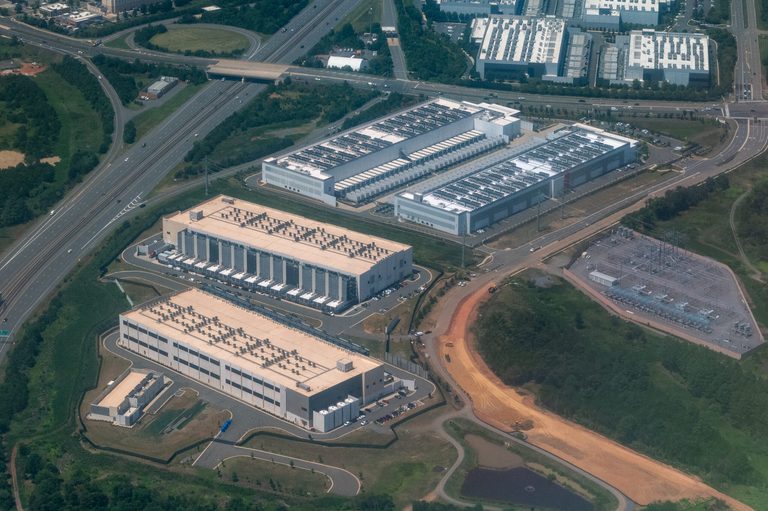
Residents of Northern Virginia, especially those living near proposed data‑center projects, are pushing back for reasons that go far beyond the physical structures. According to research conducted by the University of Virginia’s National Security Institute, the opposition is rooted in broader anxieties about artificial intelligence, big‑tech power and federal oversight.
Study highlights bipartisan unease
Maura Austin, a research scientist with the institute, explained that the backlash has intensified over the past few months and is largely bipartisan. “People are thinking about data centers combined with their thoughts on AI, and they are harboring a strong distrust for the federal government and for Big Tech as well,” Austin said. That distrust, she added, translates into a vague uneasiness about the future and perceived economic instability caused by AI developments.
Physical facilities become a proxy
When asked why they oppose data centers, many respondents could not articulate a specific grievance. Instead, they pointed to the buildings themselves as a tangible target for their broader concerns. “They don’t expect data centers to bring jobs,” Austin noted. “They don’t expect to experience any more benefits from AI by having a data center close by, which makes sense. I don’t think that you get faster access to AI models just because you have a data center down the street.”
Local impacts cited
Beyond the abstract worries about AI, residents voiced concrete issues such as noise, water consumption and the potential for higher energy bills. Austin described data centers as occupying a “particularly tricky space” – they bring no clear local benefits while imposing perceived costs and burdens.
Industry response and possible solutions
Some technology firms are attempting to address the concerns by increasing transparency around water use and pledging to absorb energy‑infrastructure costs. However, the study found that these measures alone do not satisfy the public’s desire for economic security.
According to the research, spending on pro‑environmental initiatives, local libraries, schools, or direct payments to households would significantly boost support for data‑center projects. Direct cash payments to residents emerged as the most effective strategy in the survey.
Path forward
“We’re relying on the acceptance of the people in these communities in order to continue this critical infrastructure build‑out,” Austin said. “The way forward is to meet the people at the negotiation table, listen to their concerns and address their needs.” The study suggests that aligning data‑center development with tangible community benefits could transform opposition into partnership.
With hundreds of data centers already operating across Northern Virginia and many more planned, local governments—particularly in Loudoun County—are re‑examining approval processes to ensure growth aligns with community interests. The findings underscore the importance of addressing not just the physical footprint of data centers, but the broader cultural and economic anxieties that drive public resistance.
Original reporting: Alexandria, VA News – WTOP News — read the source article.