El Paso, Texas – On Monday, Rep. Veronica Escobar and 22 fellow Democratic members of Congress sent a formal letter to the Department of Homeland Security’s Office of Inspector General, Joseph Cuffari, urging a thorough investigation of roughly $7.5 billion in taxpayer‑funded contracts for border infrastructure in the Big Bend Border Patrol Sector.
Letter outlines concerns about contracting process
The lawmakers asked Cuffari to examine the contracting procedures, potential political influence, and the justification for the massive expenditures. They noted that publicly available information raises “serious questions” about how the contracts were awarded, whether political relationships played a role, and whether normal contracting safeguards were bypassed.
Data cited suggests limited operational need
According to the letter, U.S. Customs and Border Protection (CBP) data does not support the scale of the projects. The Big Bend sector accounts for 26 % of the southern border, yet CBP’s published figures show that over the five‑year period used to justify the spending, the sector contributed less than 1 % of total migrant apprehensions.
Alleged political connections
The representatives highlighted what they described as “substantial political connections” involving contractors that have received large border‑construction awards. As an example, they pointed to a Barnard Construction chairman and his wife, who donated $1 million to President Donald Trump’s campaign fundraising committee during the 2024 election.
Conflicting public descriptions of the work
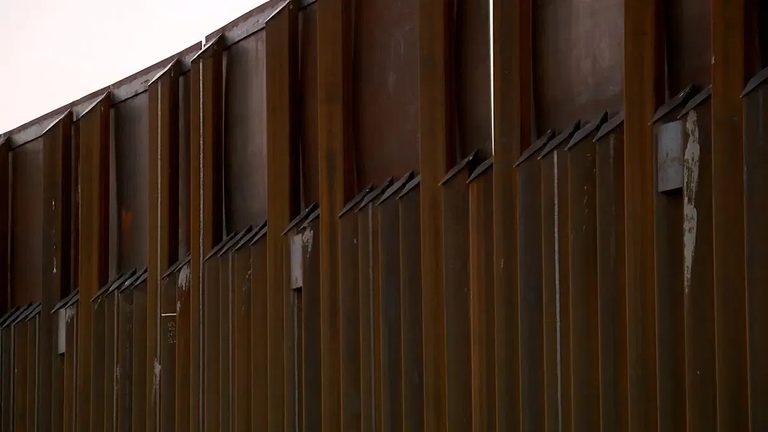
The letter also claims that DHS and CBP have altered public descriptions of the projects. Initially, CBP materials depicted a border wall in the region; the wall later disappeared from public maps, then reappeared. In May, CBP publicly stated there would be no wall in Big Bend National Park, yet a week later DHS awarded a $1.7 billion contract describing work associated with a wall in the park. More recent CBP statements describe construction as involving roads, technology, and vehicle barriers rather than a wall.
Request for response and timeline
The lawmakers asked the Inspector General to provide a written response by Nov. 20, including a timeline for any investigation and a commitment to make findings public. Signatories represent districts in Texas, California, New York, New Mexico, Washington, Illinois, and Massachusetts.
Administration’s stance
While the Trump administration has not yet issued a public comment on the letter, DHS officials have previously emphasized the importance of securing the nation’s borders and advancing infrastructure that supports law‑enforcement operations. The administration argues that investments in the Big Bend sector are part of a broader strategy to deter illegal immigration and protect American communities.
As the request moves forward, stakeholders on both sides of the aisle will watch closely to see whether the OIG opens a formal inquiry and what findings, if any, emerge regarding the use of taxpayer dollars and the role of political contributions in the contracting process.
Original reporting: El Paso News (HLL/CB) — read the source article.