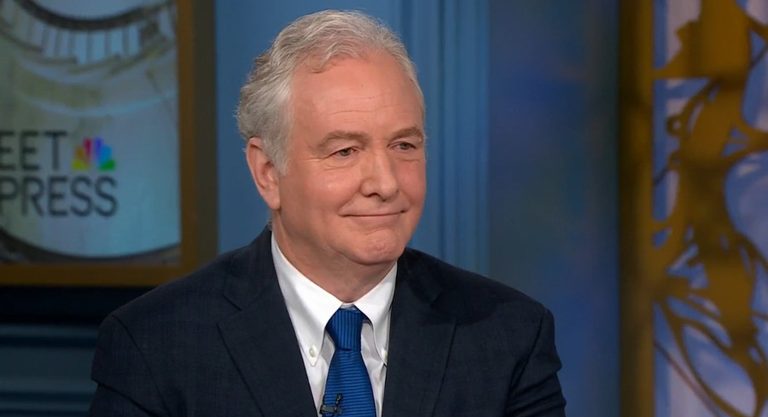
On a recent episode of Fox News Sunday, Maryland’s senior United States Senator Chris Van Hollen faced a pointed interview about the growing influence of the Democratic Socialists of America (DSA) within the Democratic Party. While the DSA secured six seats in the U.S. House and more than 100 state‑level offices in the 2026 midterm elections, Van Hollen made clear his personal opposition to their core platform.
Van Hollen’s Straight‑Forward Rejection
Host Shannon Bream asked the senator whether he would support the DSA’s calls to eliminate borders, abolish jails, dismantle the Senate, and end private property. Van Hollen responded without hesitation: “No, no, no, and no, just to be clear.” He emphasized that, although he disagrees with those specific proposals, he does not believe the party should shut out progressive voices.
Call for Inclusive Dialogue
“I think the conversation needs to include all the voices in the Democratic Party,” Van Hollen said. “People should not be scared of ideas. We can disagree strongly with ideas, but I think we’re all strengthened by debate.” He argued that the electorate, not party leadership, determines which candidates appear on the ballot, noting that DSA‑backed candidates were elected through Democratic primaries.
Context of the DSA Surge
The DSA’s recent electoral gains have sparked concern among some establishment Democrats who fear a shift further left. A Wall Street Journal opinion column, read aloud by Bream, warned that the “DSA class of ’26 isn’t coming to nudge the Democratic Party to the left; it’s coming to burn it down.” Van Hollen dismissed that characterization, pointing to the democratic process that placed those lawmakers in office.
Leadership Ambitions
Van Hollen is also in the running to replace New York Senator Chuck Schumer as Senate majority leader on December 1. His remarks on the DSA reflect a broader strategy to balance party unity with ideological clarity as he seeks the leadership role.
Implications for the Party
By refusing to label the DSA as an existential threat while firmly opposing their policy goals, Van Hollen positions himself as a bridge between the party’s moderate wing and its progressive flank. His stance underscores a belief that open debate, rather than exclusion, will ultimately serve the Democratic Party’s electoral interests.
Looking Ahead
The interview highlights a continuing tension within the Democratic Party as it navigates the aftermath of the 2026 elections. While the DSA’s presence in Congress and state legislatures will likely grow, establishment figures like Van Hollen appear determined to keep the party’s core institutions intact and to ensure that policy disagreements are settled at the ballot box, not through internal purges.
Original reporting: Tampa Free Press — read the source article.