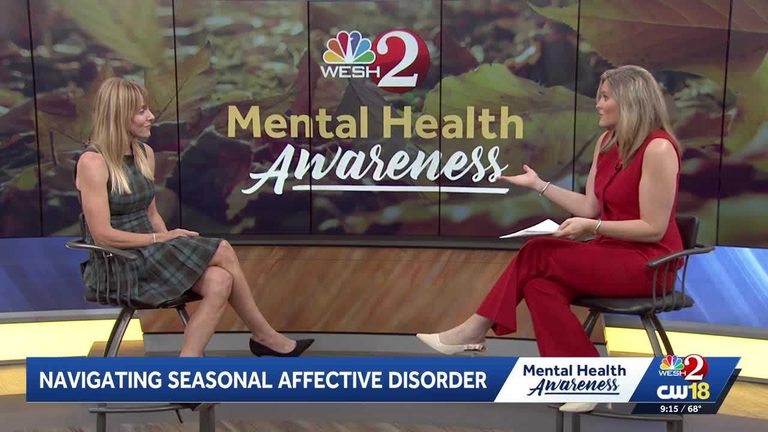
Orlando, Fla. – As the days grow shorter and sunlight wanes, many Central Florida families notice changes in mood and energy. Licensed mental health counselor Shantala Boss appeared on WESH 2 to explain how these seasonal shifts can trigger seasonal affective disorder (SAD) and to share practical steps for managing its impact.
What is seasonal affective disorder?
Seasonal affective disorder is a type of depression that follows a predictable pattern each year, typically beginning in late fall and lasting through the winter months. Boss notes that the condition is linked to reduced exposure to natural light, which can disrupt the body’s internal clock and lower serotonin levels, a neurotransmitter that helps regulate mood.
Common signs to watch for
According to Boss, the most frequent symptoms include:
- Persistent low mood or irritability that lasts for weeks
- Loss of interest in activities that were once enjoyable
- Increased fatigue or a feeling of heaviness
- Changes in appetite, often craving carbohydrates
- Difficulty concentrating or remembering details
- Social withdrawal and a desire to stay indoors
These signs can be subtle at first, but when they intensify, they may signal the need for professional help.
Impact on daily life
For Orlando residents, SAD can affect work performance, school attendance, and family dynamics. Parents may notice their children becoming more withdrawn, while adults might struggle to maintain productivity at their jobs. Boss emphasizes that untreated SAD can lead to longer‑term mental‑health challenges, making early recognition essential.
Effective coping strategies
Boss recommends several evidence‑based approaches that individuals and families can adopt:
- Light therapy: Using a light‑box that emits 10,000 lux for 20‑30 minutes each morning can help reset the body’s clock.
- Increase outdoor time: Even on cloudy days, natural daylight outdoors can boost mood; a short walk during midday can be beneficial.
- Maintain a regular schedule: Going to bed and waking up at consistent times supports circadian rhythm stability.
- Exercise regularly: Physical activity releases endorphins and can counteract depressive symptoms.
- Balanced nutrition: Limiting sugary and high‑carb foods while focusing on lean proteins, fruits, and vegetables helps regulate energy levels.
- Seek professional support: Counseling, cognitive‑behavioral therapy, or medication prescribed by a qualified provider can be effective when symptoms are moderate to severe.
Boss also highlights community resources available in Central Florida, including local mental‑health clinics, support groups, and the Florida Department of Health’s seasonal wellness hotline.
When to get help
If symptoms persist for more than two weeks, interfere with daily responsibilities, or are accompanied by thoughts of self‑harm, Boss urges individuals to contact a mental‑health professional promptly. Early intervention can prevent the condition from worsening and restore a sense of well‑being.
By understanding the signs of seasonal affective disorder and applying these coping tools, Orlando families can navigate the darker months with confidence and maintain a healthy, hopeful outlook.
Original reporting: WESH Orlando — read the source article.