What do you actually do in Texarkana when it’s too wet to fish and too hot to walk a trail? The answer, more often than locals admit, is the Texarkana Museums System campus on State Line Avenue — specifically the Museum of Regional History tucked into the old Federal Building complex. If you’ve driven past it a dozen times without stopping, you’re not alone. That’s your loss.
The museum sits in a stately early-twentieth-century building that looks official enough to make you hesitate at the door. Don’t. Inside, the staff are genuinely friendly, and the entry fee runs around four to six dollars for adults, less for kids, which makes it one of the more honest deals in town for a solid two hours of your time.
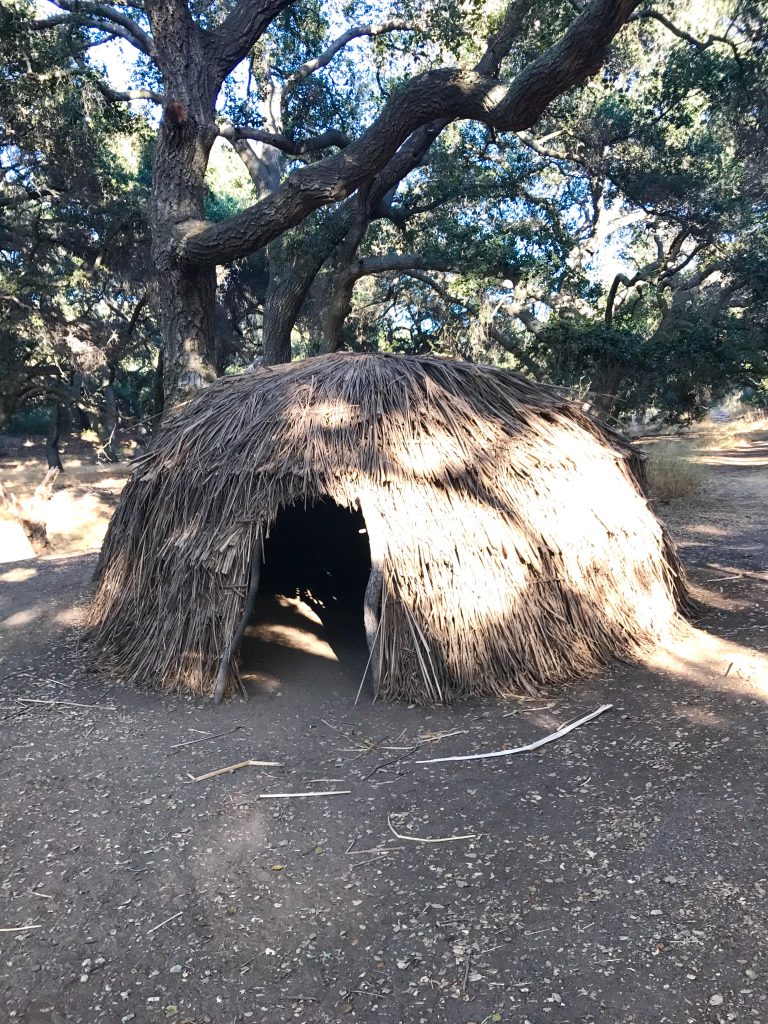
What you get is a thorough, well-organized look at the Ark-La-Tex region — meaning four states worth of history compressed into a space that actually handles it without feeling cramped. The exhibits move chronologically, starting with the Caddo people who lived along the Red River long before anyone platted a town on a state line. There are tools, pottery fragments, and some genuinely careful interpretive text that doesn’t condescend or romanticize. That alone sets it apart from smaller regional museums where the Native American section is an afterthought.
Push further in and you hit the Civil War and Reconstruction material, which carries real weight here. Texarkana was a Confederate supply hub, and the museum doesn’t sidestep the complicated parts of that history. Photographs, letters, and period artifacts fill the cases. A lot of the photographic material comes from families who donated it decades ago, and you occasionally spot a surname you recognize from a business sign across town.
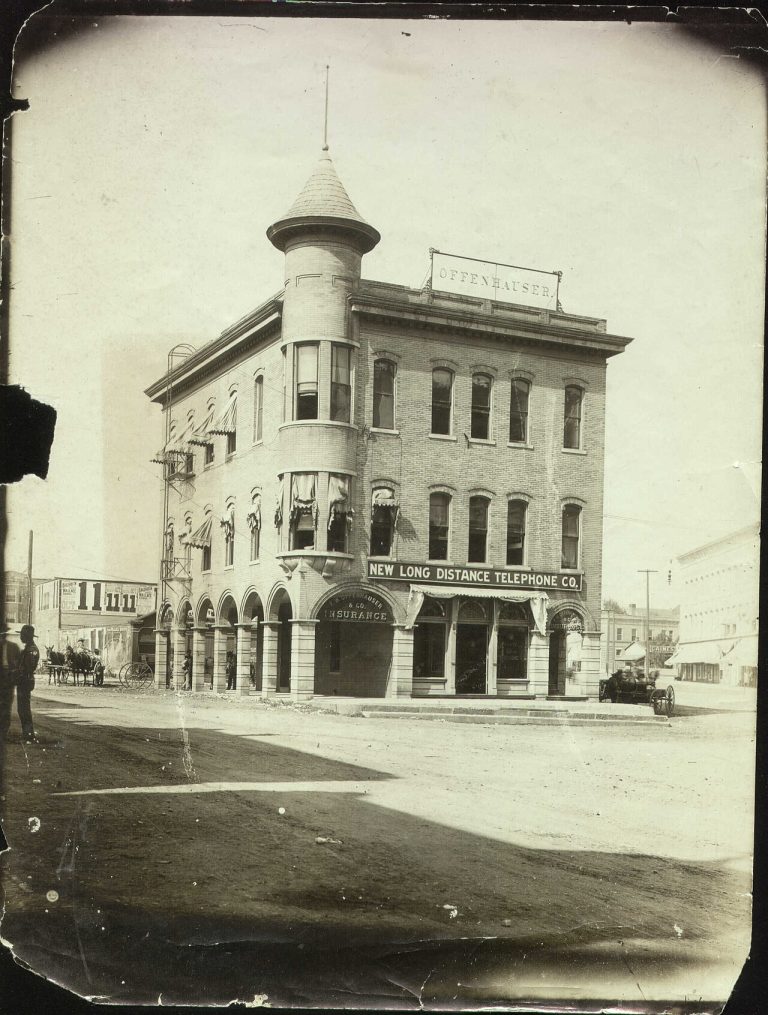
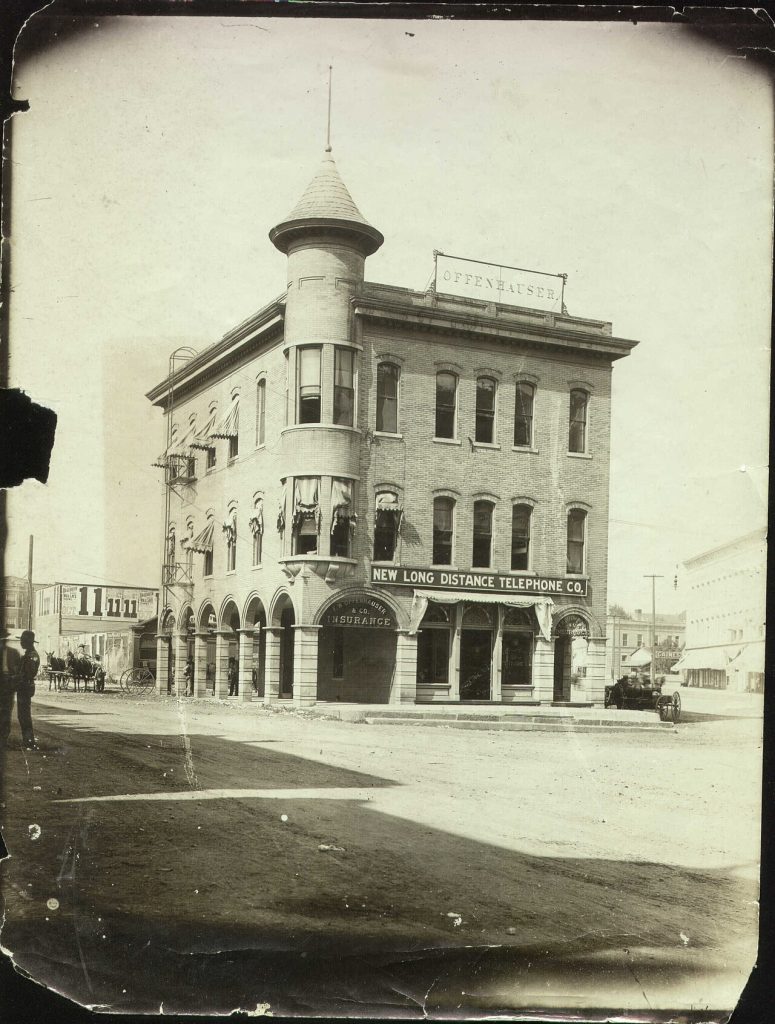
The late-nineteenth and early-twentieth-century exhibits are where the place really earns its keep. Railroad history, timber industry, early commercial life on State Line Avenue — there’s a recreation of a period storefront that kids tend to gravitate toward, and adults tend to linger in longer than they expect. The Scott Joplin connection gets its own treatment here, with enough context to understand what it meant for Texarkana to produce one of the foundational figures of American music.
Go on a weekday if you can. Weekend afternoons bring school groups and the occasional tour bus, and the smaller gallery spaces feel tight when crowded. A Tuesday or Wednesday morning is almost meditative — just you, some attentive volunteer staff, and a few thousand square feet of regional memory.
Plan ninety minutes at minimum if you’re the type to read every placard. Casual browsers can do it in an hour. Either way, you’ll come out with a clearer sense of why this odd, straddling, two-state city exists where it does, and why it looks the way it looks. That kind of context is hard to find, and harder to put down once you pick it up.
Parking is free on the street nearby, which is a minor miracle for a building that looks this important. Check the museum’s hours before you go — they close certain days mid-week — but once you’re in, there’s no reason to rush.