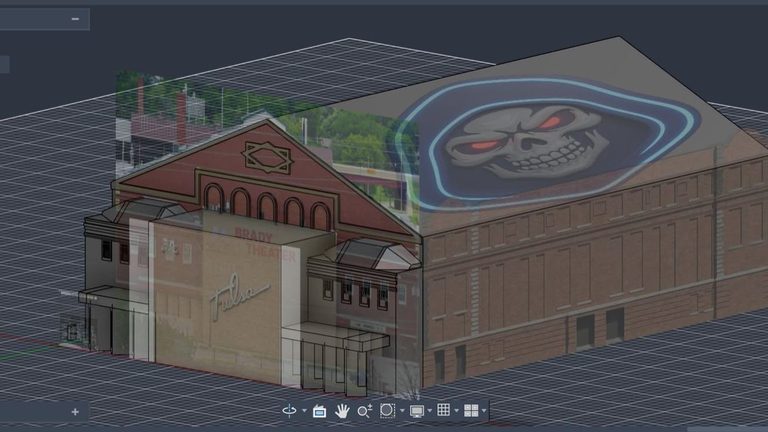
Tulsa, Oklahoma – A home‑grown video‑game project is putting the city’s most recognizable landmarks on a global digital stage. Founder John Doster’s initiative, PlayTulsa, recreates downtown streets, the historic Greenwood District, the BOK Center, the Philbrook Museum of Art and the Tulsa Theater in a first‑person shooter format.
From photographs to virtual streets
Doster, who has been developing the game for roughly a year and a half, says every building in the game is built from local photographs, online research and historic records. “Anything you’re going to encounter in the game came from here,” he explained, emphasizing the commitment to authenticity.
So far, about 46 structures have been modeled, each rendered to reflect the architectural details that make Tulsa unique. Doster also draws on historic newspapers such as the Tulsa Star and the Oklahoma Eagle to embed stories and interactive features that teach players about the city’s oil‑boom era, the underground tunnel system and the legacy of Black Wall Street.
More than a zombie shooter
While PlayTulsa’s gameplay centers on a zombie‑outbreak survival scenario, Doster hopes the experience will serve as an educational tour. “It’s really bringing Tulsa to the global stage,” he said. “Getting what Tulsa has out there and making it accessible is the goal.” The project is designed to introduce players—both locals and visitors—to parts of the city they may never have seen in person.
Community testing and future expansion
Following a positive response to an initial release, Doster is now focusing on a small group of alpha testers. He is collecting contact information from interested residents and plans to launch a closed test version around Christmas. After that phase, the development roadmap calls for expanding the playable area over the next six months to a year, eventually allowing players to explore a fully realized digital Tulsa.
The effort has already sparked enthusiasm among history buffs, educators and gamers who see the platform as a new way to preserve and share the city’s cultural identity. Local schools are being approached to incorporate the game into curricula, giving students a hands‑on method to study Tulsa’s architectural evolution and civic milestones.
Supporting Tulsa’s creative economy
PlayTulsa also highlights the city’s growing tech and creative sectors. By showcasing local talent and historical assets, the project aligns with broader efforts to attract digital‑media businesses to Oklahoma. Doster hopes the visibility will encourage further investment in home‑grown software development and cultural tourism.
As the alpha testing phase rolls out, Doster invites Tulsa residents to sign up, explore their hometown in a new medium, and help shape the final product. “It’s about giving Tulsa a new way to share its history, creativity and identity with the world,” he concluded.
Original reporting: KTUL 8 (Sinclair) – local — read the source article.