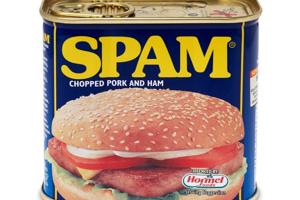
Spam, a staple of American pantries since its introduction by Hormel Foods Corporation in 1937, has become one of the most iconic brands in the United States and beyond. With over eight billion cans sold in 44 countries, Spam’s success story is a testament to American ingenuity and resourcefulness.
From Humble Beginnings to Global Icon
Spam was launched as an affordable canned pork product, offering a solution to a real need during its time. Its original recipe, which included chopped pork shoulder meat with ham, salt, water, sugar, and sodium nitrite, remained unchanged until 2009 when potato starch was added to improve its texture. The product’s unique feature of not requiring refrigeration gave it a competitive edge in the market.
The name ‘Spam’ was chosen through a contest, won by actor Kenneth Daigneau, who received $100 for the suggestion. Despite a touch of nepotism, as Daigneau was the brother of Hormel’s vice president, the name stuck and became synonymous with the brand’s identity.
War Effort and Cultural Impact
Spam’s popularity soared during World War II, with over 150 million pounds used by the military. It became a dietary staple for troops and was introduced to various countries through American soldiers. This exposure helped Spam gain a foothold in international markets, especially in regions facing economic hardship due to its affordability and long shelf life.
Post-war, Hormel continued to innovate with marketing strategies that emphasized Spam’s versatility and patriotic appeal. The Hormel Girls, a musical troupe of female World War II veterans, toured the country promoting the product, further embedding Spam into American culture.
Adapting to Changing Tastes
Over the years, Spam has adapted to consumer preferences with new flavors and products such as Spam Lite, Spam Hot and Spicy, and Spam with Bacon. Its cultural significance has also been highlighted through events like the Spamarama cooking festival and the Spam museum.
Today, Spam is celebrated in various culinary contexts, from traditional dishes in Hawaii and South Korea to gourmet offerings in upscale American restaurants. Its journey from a wartime necessity to a culinary icon reflects its enduring appeal and adaptability.
Original reporting: KTBS 3 (Shreveport) — read the source article.