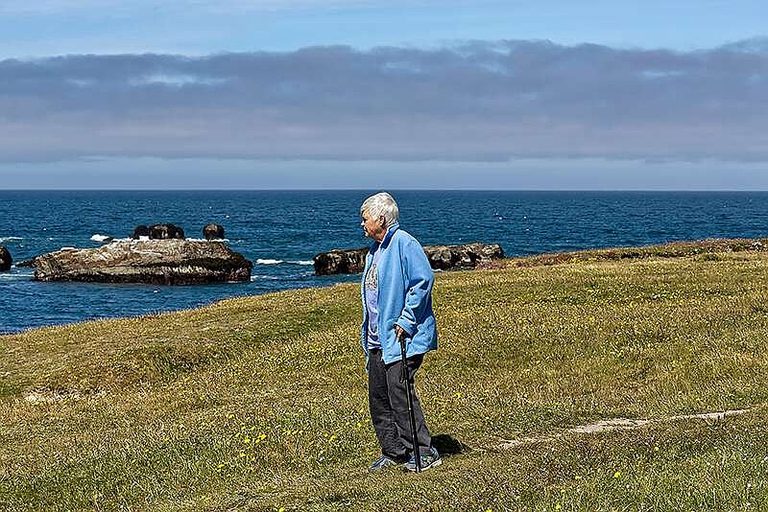
When David’s funeral took place in 2023, a friend who had lost his own wife six years earlier urged the grieving widow to “give yourself a year.” The suggestion sparked what the author now calls a “widow gap year,” a structured period of healing and personal growth.
Year One: Survival Mode
In the first twelve months, the author kept busy with a 91‑item to‑do list that included filing paperwork, canceling credit cards and donating medical supplies. She marked milestones such as the first anniversary alone and even took off her wedding ring, signaling a shift from survivor to seeker.
Year Two: Rebuilding Life
Grief therapist Litsa Williams notes that the second year of widowhood is often the hardest because the initial survival instinct fades and the reality of “forever” sets in. The author embraced this challenge by turning her original list into a roadmap for living, not just surviving.
She began with an improv class, a hobby she’d always wanted to try. The exercises taught her to accept unexpected twists—like a partner shouting the word “furry” and her responding with “underpants”—and to apply the same flexibility to life’s uncertainties.
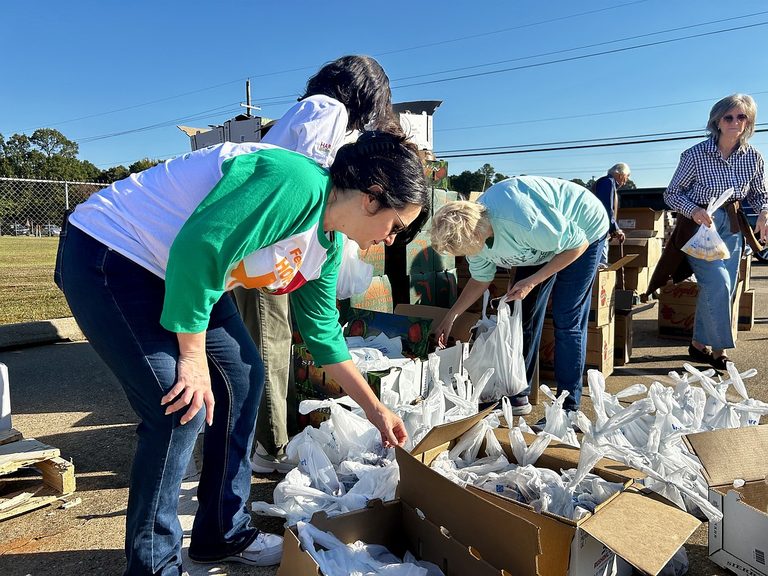
Buoyed by the confidence gained on stage, she said “yes, and” to other items: baton‑twirling lessons, volunteering at the town’s annual Christmas festival, and even a solo trip to Paris for her 60th birthday. While she skipped most tourist attractions, she let curiosity guide her through cobblestone streets, ending the trip with a toast of French champagne to her newly discovered courage.
Finding Community Again
Social life proved more challenging than activities. After David’s death, many invitations vanished, and the author often found herself walking past backyard barbecues alone. Rather than linger in self‑pity, she joined groups aligned with her interests—writing clubs, hiking groups—and began reaching out for coffee dates.
Those efforts paid off. New friendships formed with people she would never have met otherwise, reshaping her social circle from couples to a diverse community of individuals.
Expert Insight
Erin Wehrman, an assistant professor at Missouri State University who studies identity change during crises, explains that losing a spouse disrupts one’s life narrative. “You have to adjust the narrative in a way that makes sense and allows you to figure out who you are without them,” she says.
During her gap year, the author checked off 16 items from her list, but some of the most cherished moments—wearing a chicken costume at a local racetrack’s family night and learning ukulele with her sister—were never on the original list. Those spontaneous experiences reinforced the lesson that life’s best gifts often arrive unplanned.
Moving Forward
The goal of the widow gap year was never to stop grieving; it was to prove that a life without a spouse can still be vibrant, purposeful, and full of new relationships. By embracing uncertainty, saying “yes, and,” and leaning on faith‑based support, the author demonstrates that even after profound loss, a renewed sense of purpose is within reach.
Original reporting: Texarkana Gazette — read the source article.